The Vulnerability of Our Certainties
Our identity is undoubtedly the central question of human existence, a question that humanity has reflected upon since its first appearance on Earth.
Who am I? This may be the most difficult question to answer, because it rests on a contradiction: the attempt to define, clearly and precisely, something that in reality is in constant transformation. We are” within times and spaces that are themselves continuously changing around us.
Paul Ricoeur argues that our identity is not something given a priori, immutable within us. On the contrary, identity is constructed through a process of continuous becoming, specifically, through narrative. In this sense, “narrative identity” arises from the way we plot (mimesis) the events of our lives. What we are is a dynamic process of mediation with “the other” and with time. This exposes our identity to fragility, as it is constantly negotiated between the fragmented and mutable temporality of our lives and the other, who, becoming a central part of our stories, continually redefines who we are — precisely because we are not self-sufficient identities.
Ricoeur’s perspective, however, should not be read negatively. He asserts that fragility is a constitutive condition of our being free and creative — precisely because it allows us to be rewritten, reinterpreted, and transformed. Fragility, in this sense, becomes the necessary condition for our perpetual reinvention.
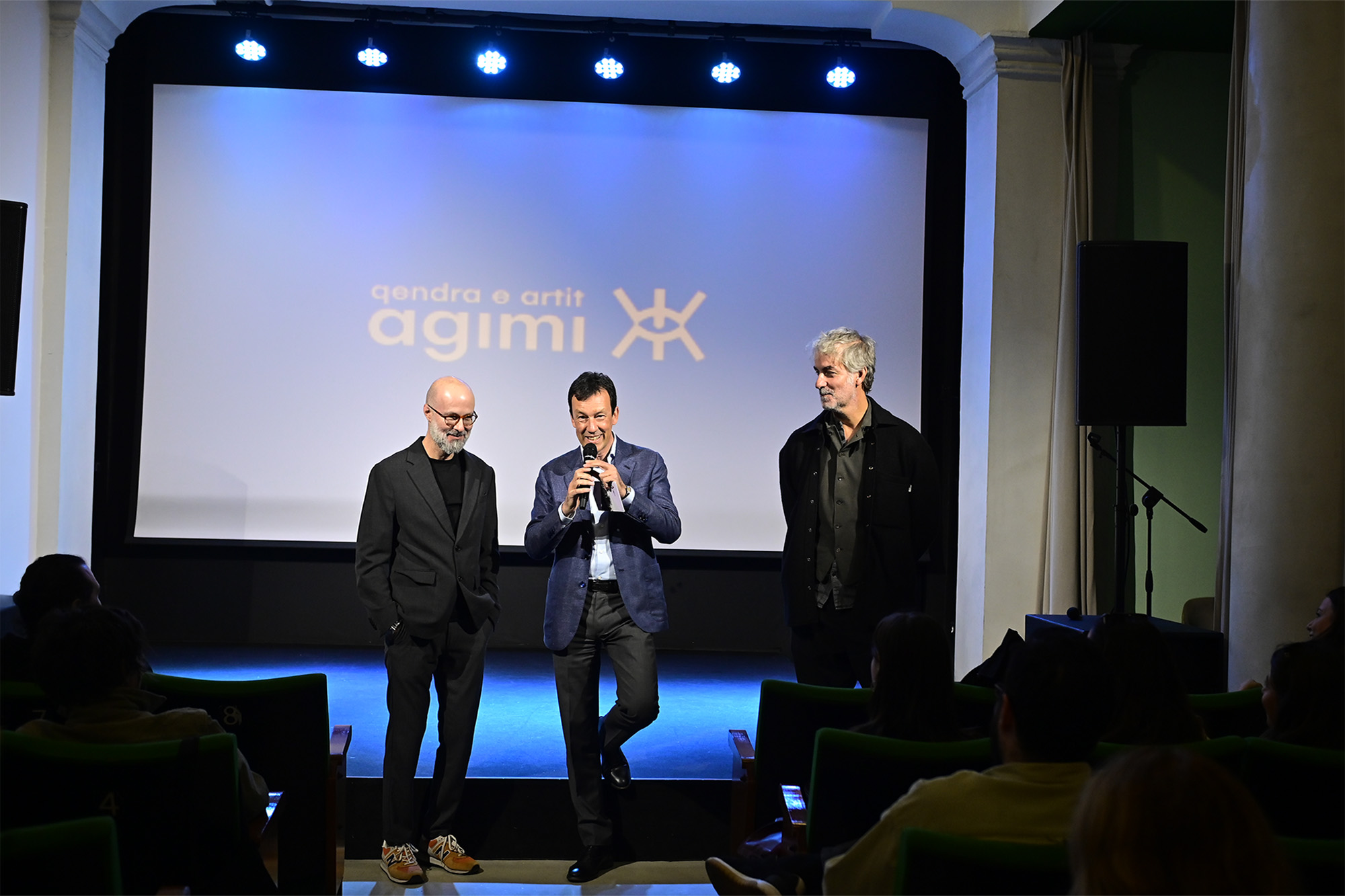
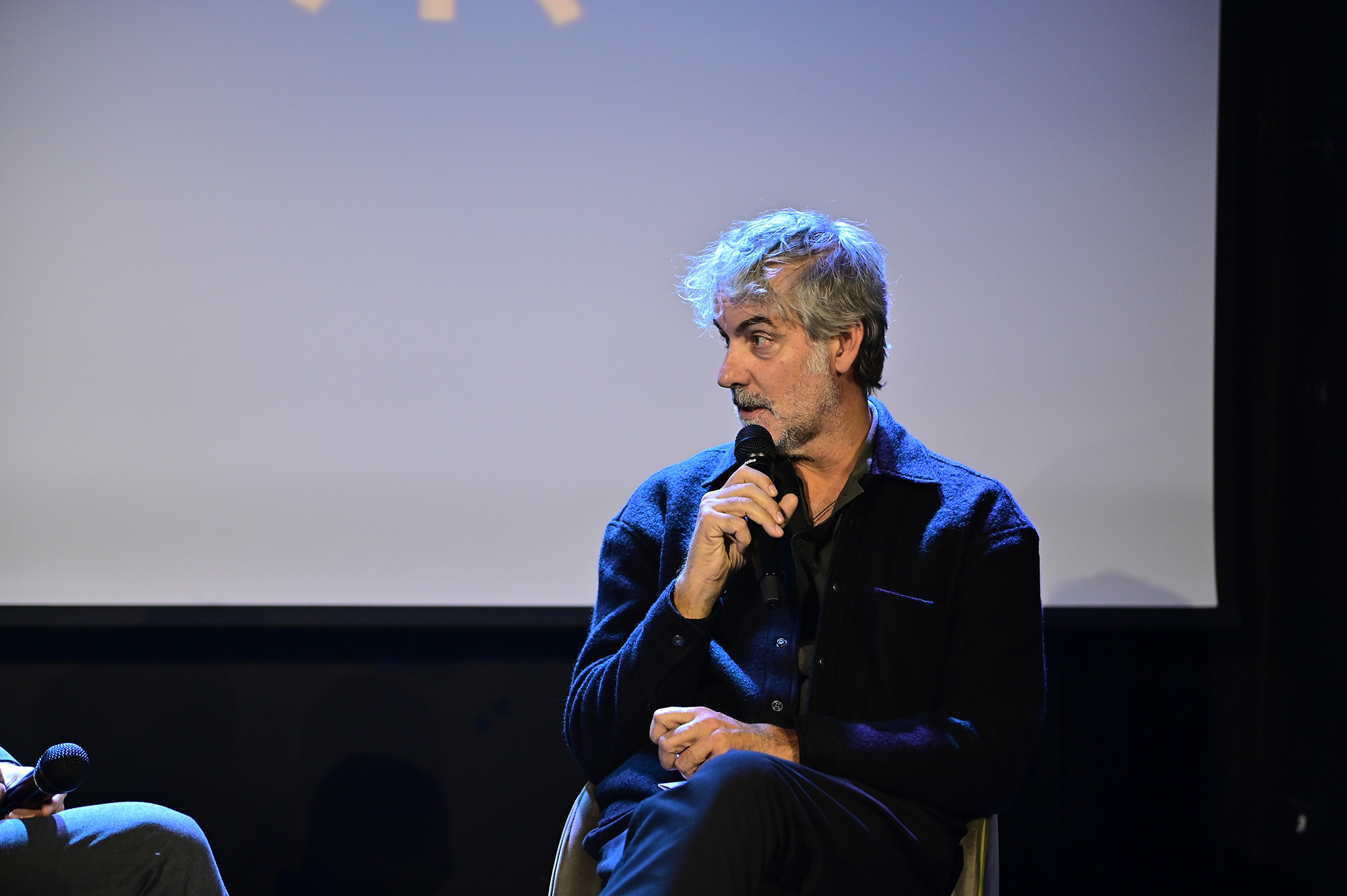
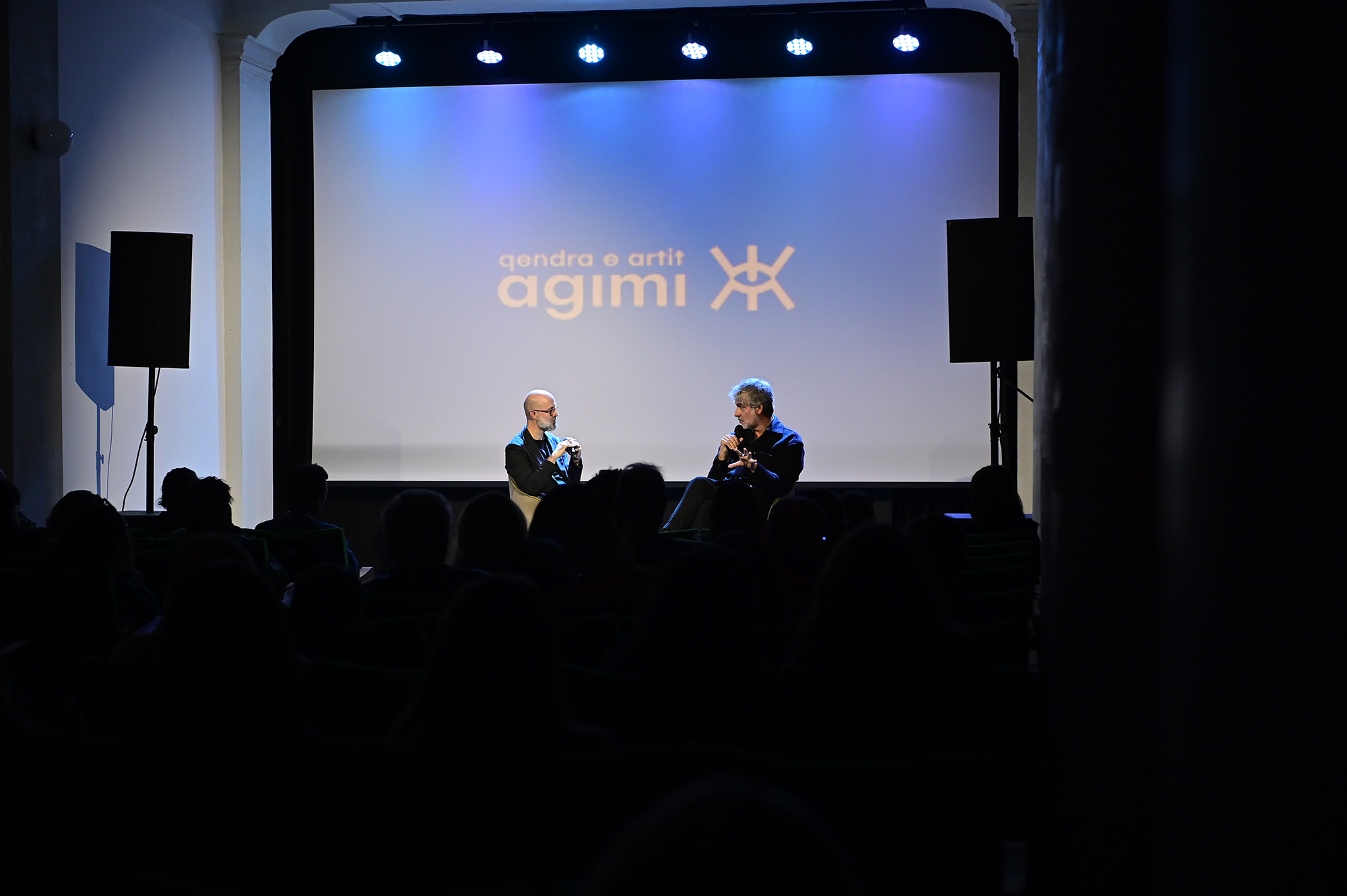
Fragile is also the title of the event dedicated to MASBEDO, during which three video works will be screened — selected precisely because in each of them the idea of a fixed, immutable self is questioned. These works create cracks in our certainties, giving us the possibility to rethink our personal and collective identities through the stories we write in our lives.
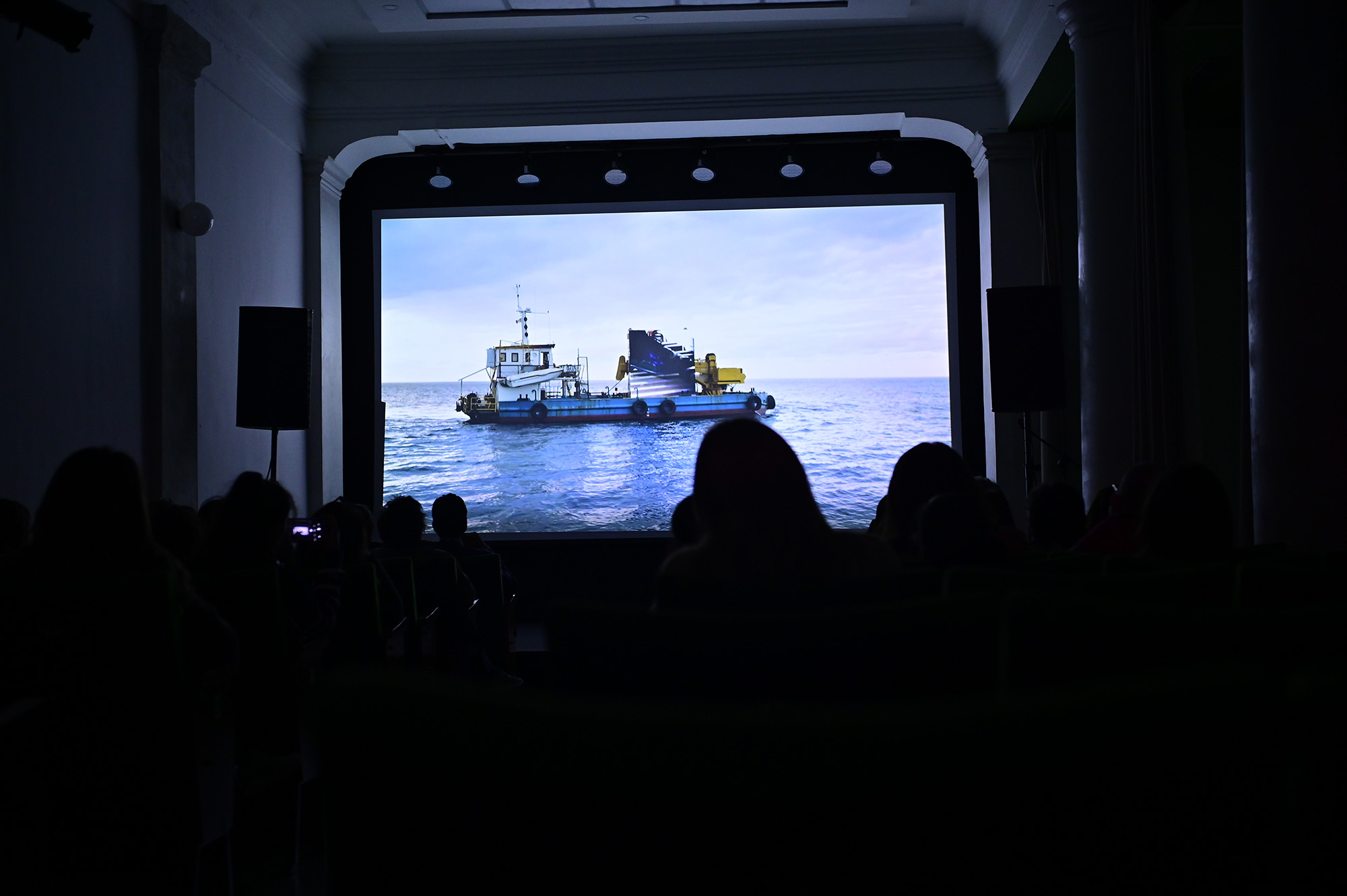
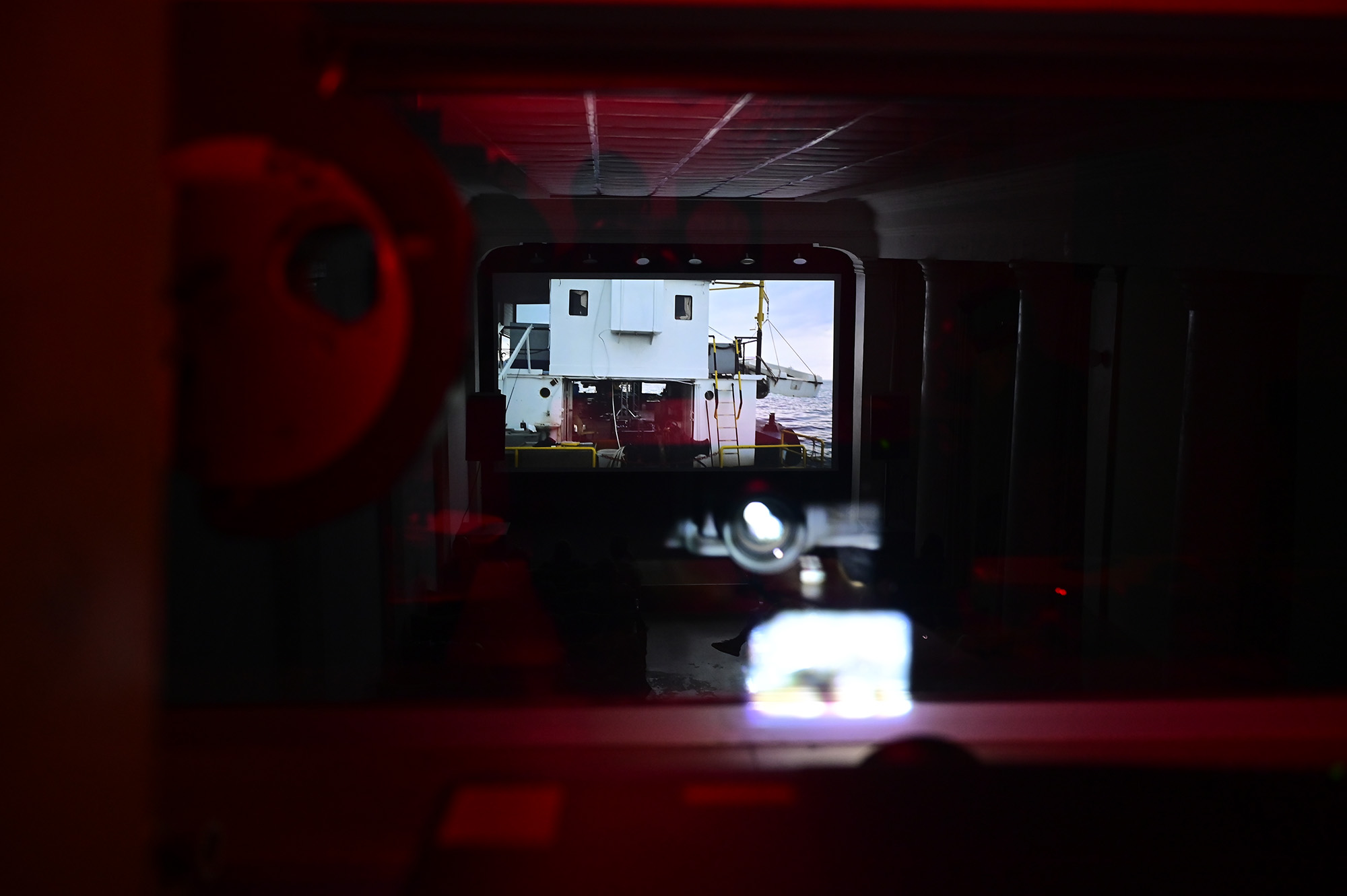
Resto (2021) is a video shot during the COVID-19 pandemic — a time when our perception of space and time was deeply conditioned by confinement within our homes and limited contact with others. The video presents a camera’s dance around a boat in the open sea off the Sicilian coast. On the boat — from which the video takes its title — a large screen projects us into another place and another time. An organist plays inside the churches of Passione and Chiesa Rossa in Milan. The piece, a melancholic andante sonata composed by Gianandrea Fioroni at the end of the eighteenth century, creates a short circuit with the image of the boat dancing on the waves, uniting the two geographic extremes of the Italian peninsula and standing as a prayer for those who cross the sea with their own human fragilities.
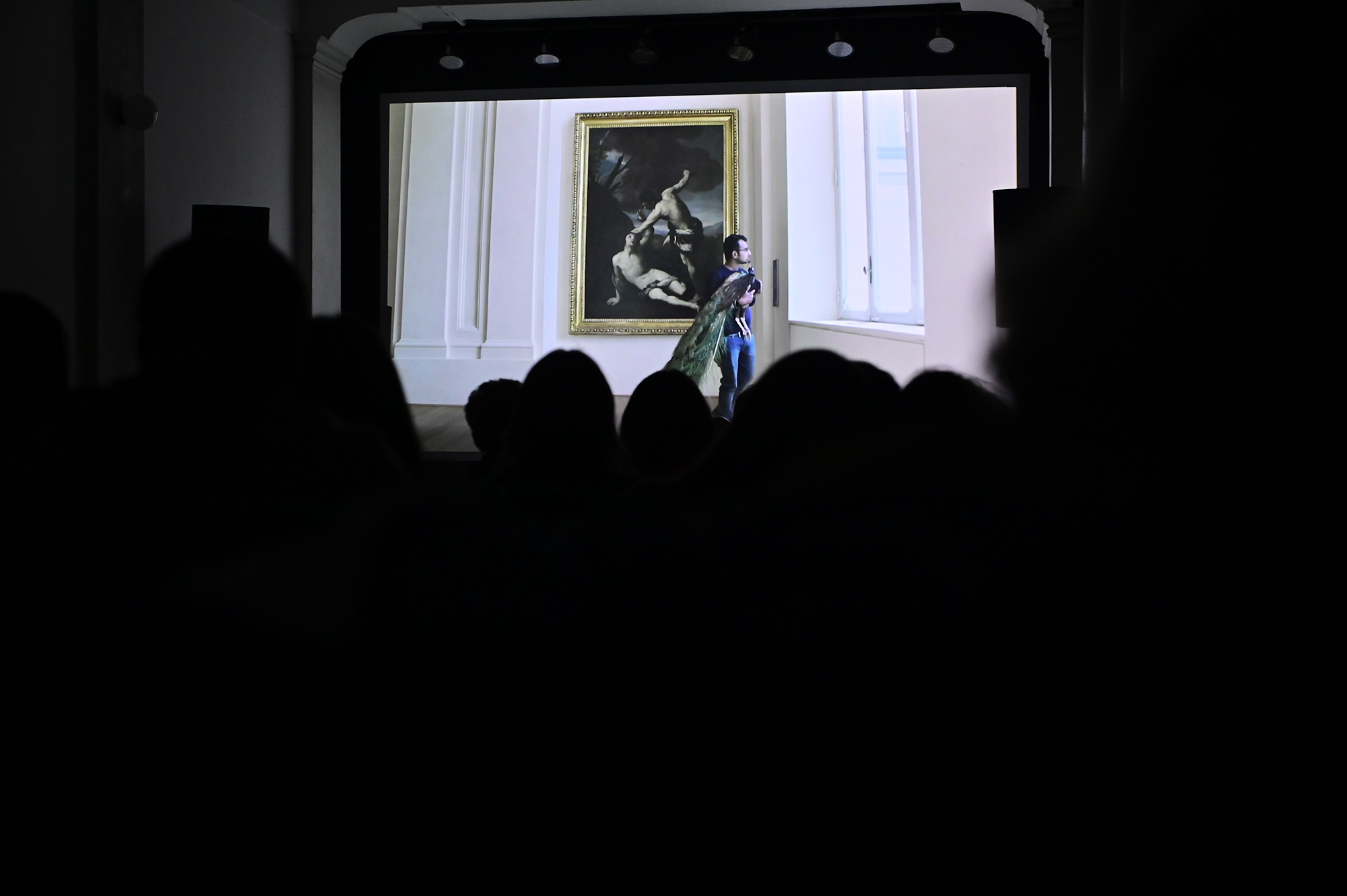
Fragile (2016) — which also gives its name to the event — was filmed inside the Royal Sabauda Gallery in Turin. The work is a silent journey through the museum’s halls, where an unusual pair of visitors — a peacock accompanied by its keeper — wander while admiring the paintings on display. The peacock, rich in symbolism related to beauty and vanity but also immortality, resurrection, and divine omniscience, here appears fragile. Its advanced age makes it clumsy on the gallery’s slippery floor; it cannot fly, its majestic tail remains closed, and its presence, rather than glorifying the idea of eternal beauty, becomes a symbol of the transience of life and art itself.
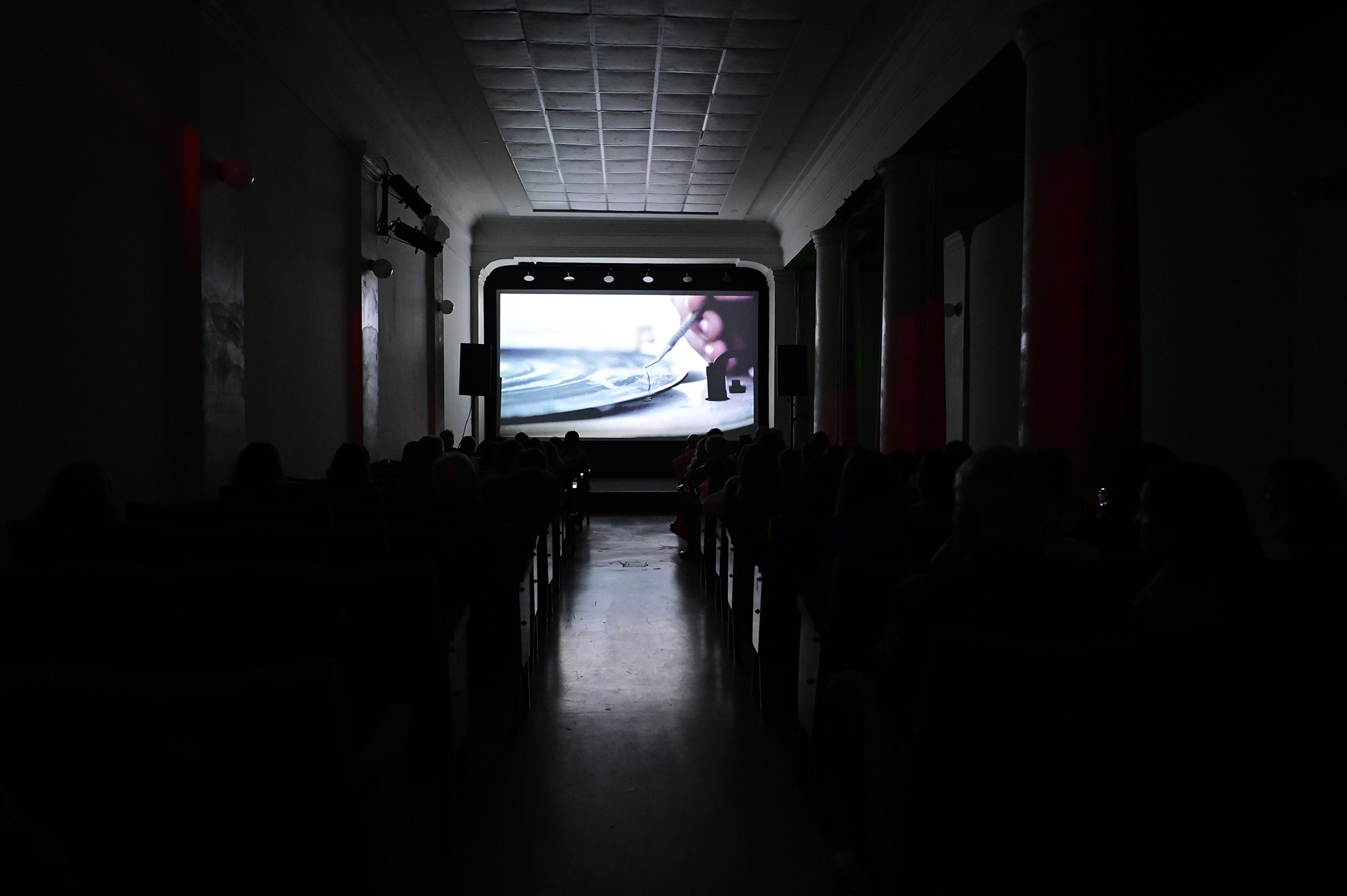
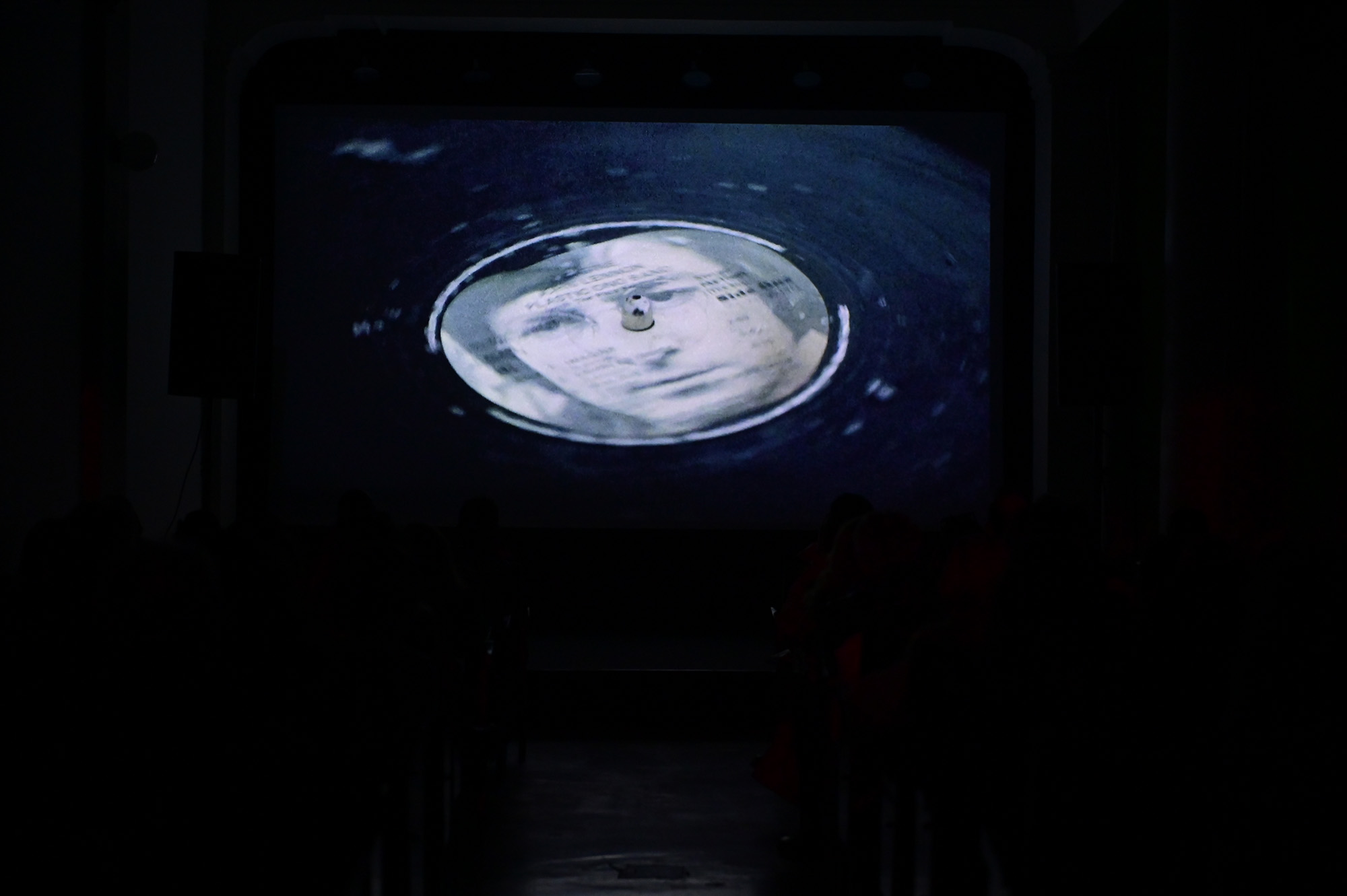
The final video in this selection, 2’59’’ (2014), takes its title from the duration of John Lennon’s song Imagine. A record player, placed in an undefined outdoor space, begins to play the song, but suddenly the action of a dental drill makes it impossible to hear. The grooves in which Lennon’s voice was recorded, inviting us to imagine a world without borders, nations, or religions to die for, are multiplied by the new grooves carved by the drill into the vinyl. The song first distorts, then becomes a mere crackle, and finally, silence. The record keeps spinning, the stylus traverses the new grooves, where nothing is recorded — no voice, no utopia left to imagine — only snow.
This end of hope for a shared identity echoes the idea of a discontinuous identity — one that must continually readapt and reconstruct itself. It resonates with the lives lost in the Mediterranean, in search of a new identity built on new narratives, in times and spaces different from those of their birth. It echoes the fragility of our vanity — our vànitas — the reminder of the transience of human existence.
And yet, it is precisely this suspended gaze, this liminal space between the risk of being trapped in an idea of fixity and the possibility of transformation, that makes the fragility of art itself the condition through which we can reinvent and redefine ourselves — so that fragile becomes a declaration of intent, a way of affirming our belonging to the ongoing story of the world we seek to write.
Stefano Romano
Photo documentation of the event: Zugrilda