The world reflected in a coffee table / Some answers, but not those you wanted
Avash avash is an Albanian expression used when there is a need to slow down, to “take it easy”. It does not refer solely to a temporal dimension but, in a broader sense, indicates an attitude, a way of approaching things. This attitude perhaps belongs more naturally to the geographic South of the world, to those countries where, partly due to the high number of daylight hours, the pace necessarily tends to slow down in response to the sun’s light and heat. The result is a kind of andamento lento (“slow pace”)[1], to borrow a popular reference from a city in southern Italy, which translates into an open-ended waiting: the possibility of inhabiting a situation without the expectation that it must be resolved.
This dwelling within situations evokes the idea of a dilated and diffuse time, through whose mesh we can observe as if through the lens of a microscope, losing ourselves in what we look at, with no need to codify or delimit it. Seeking, on the contrary, to expand it, engaging all the senses and perceiving time with the entire body: a time that becomes, consequently, also space.
This, in my view, is the deepest meaning of avash avash: a physical, organic, unquantifiable space-time, which manifests through an extended and malleable present that we can stretch, slow down, expand, traverse, perforate, intersect.
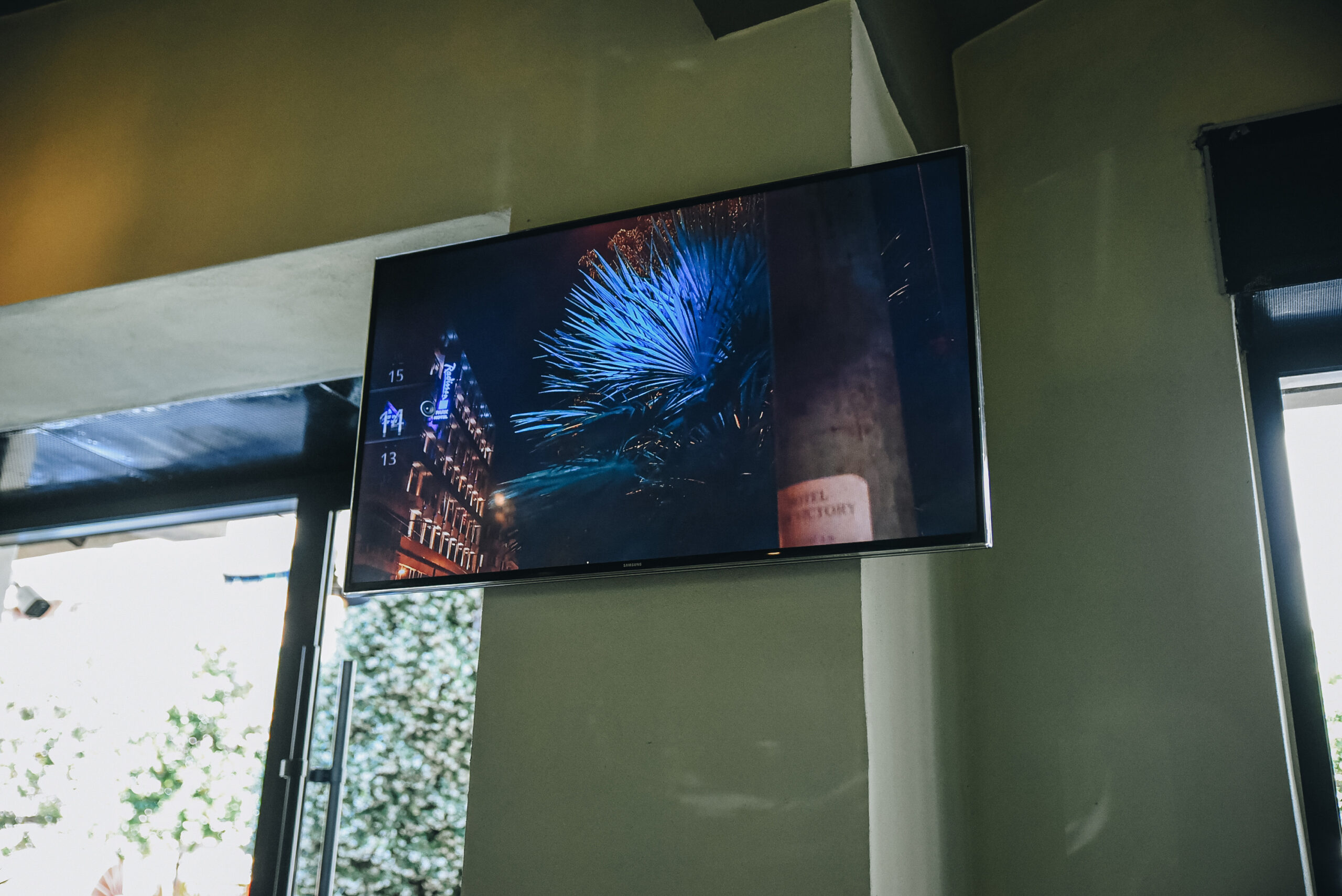
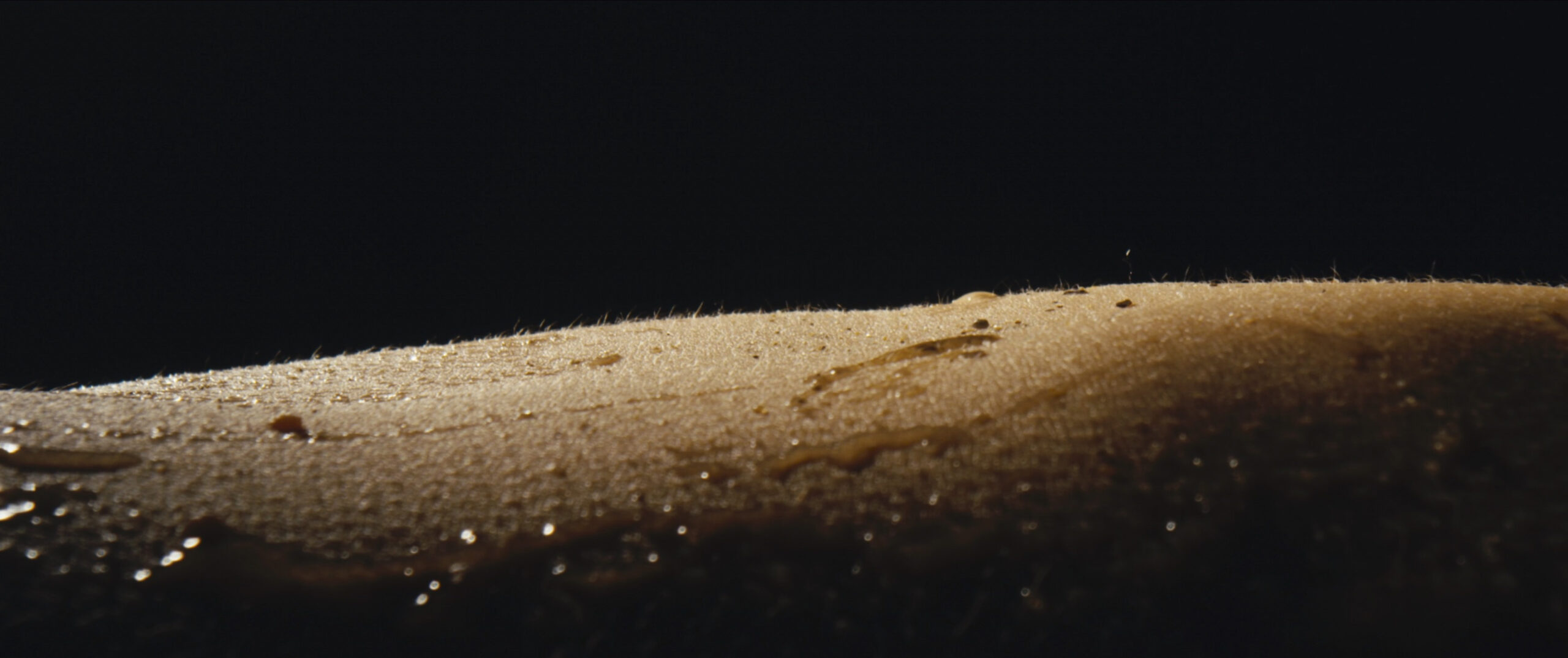
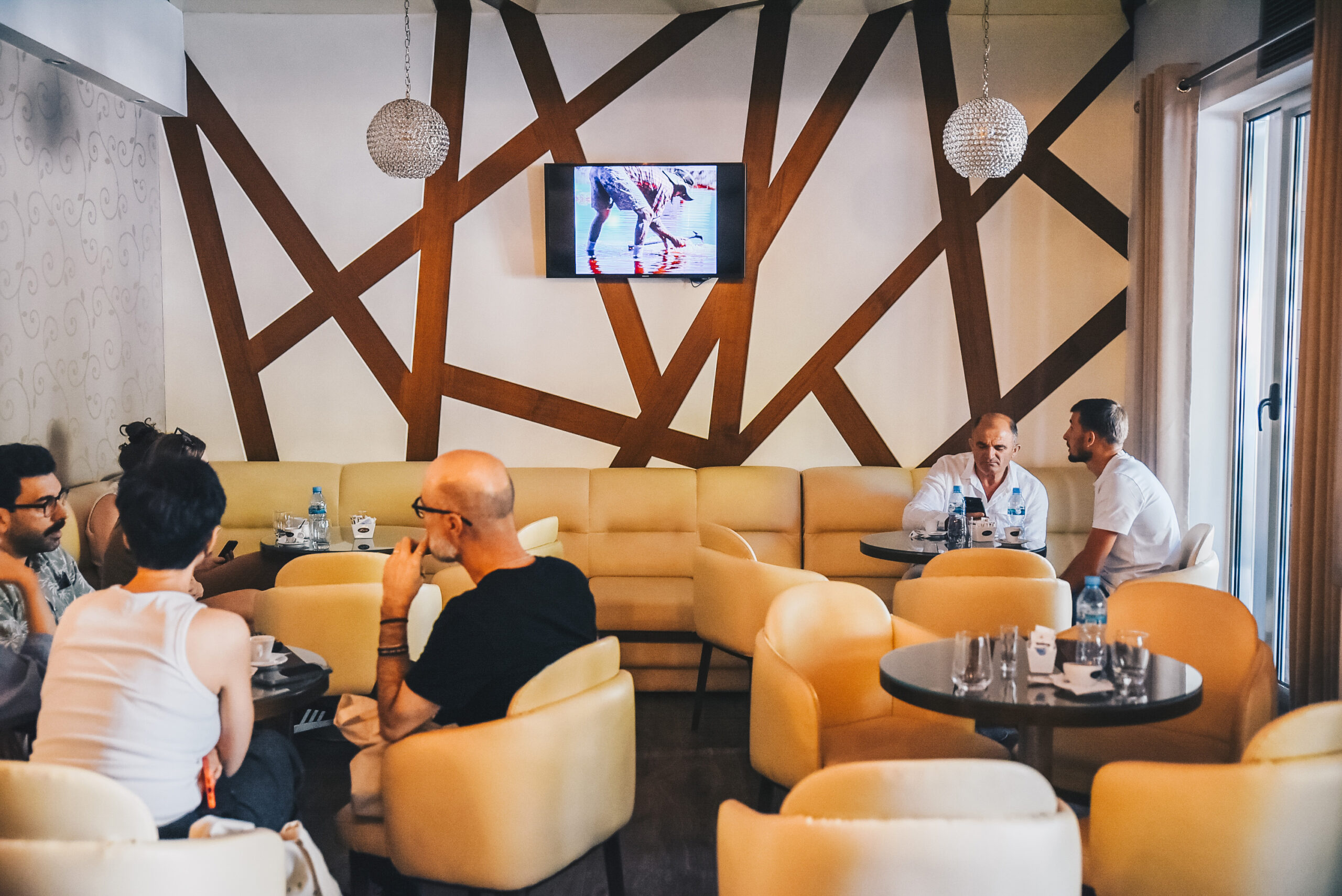
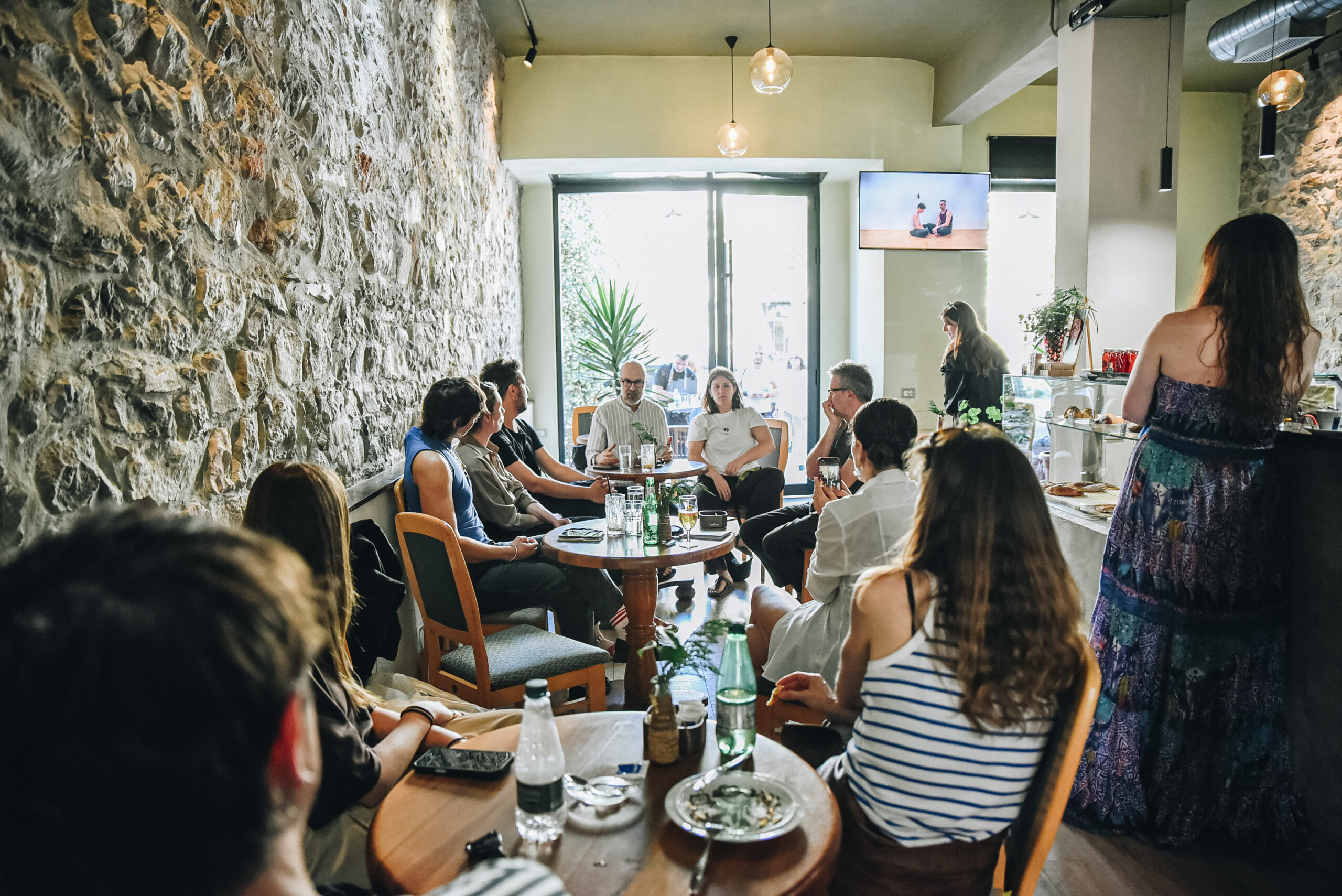
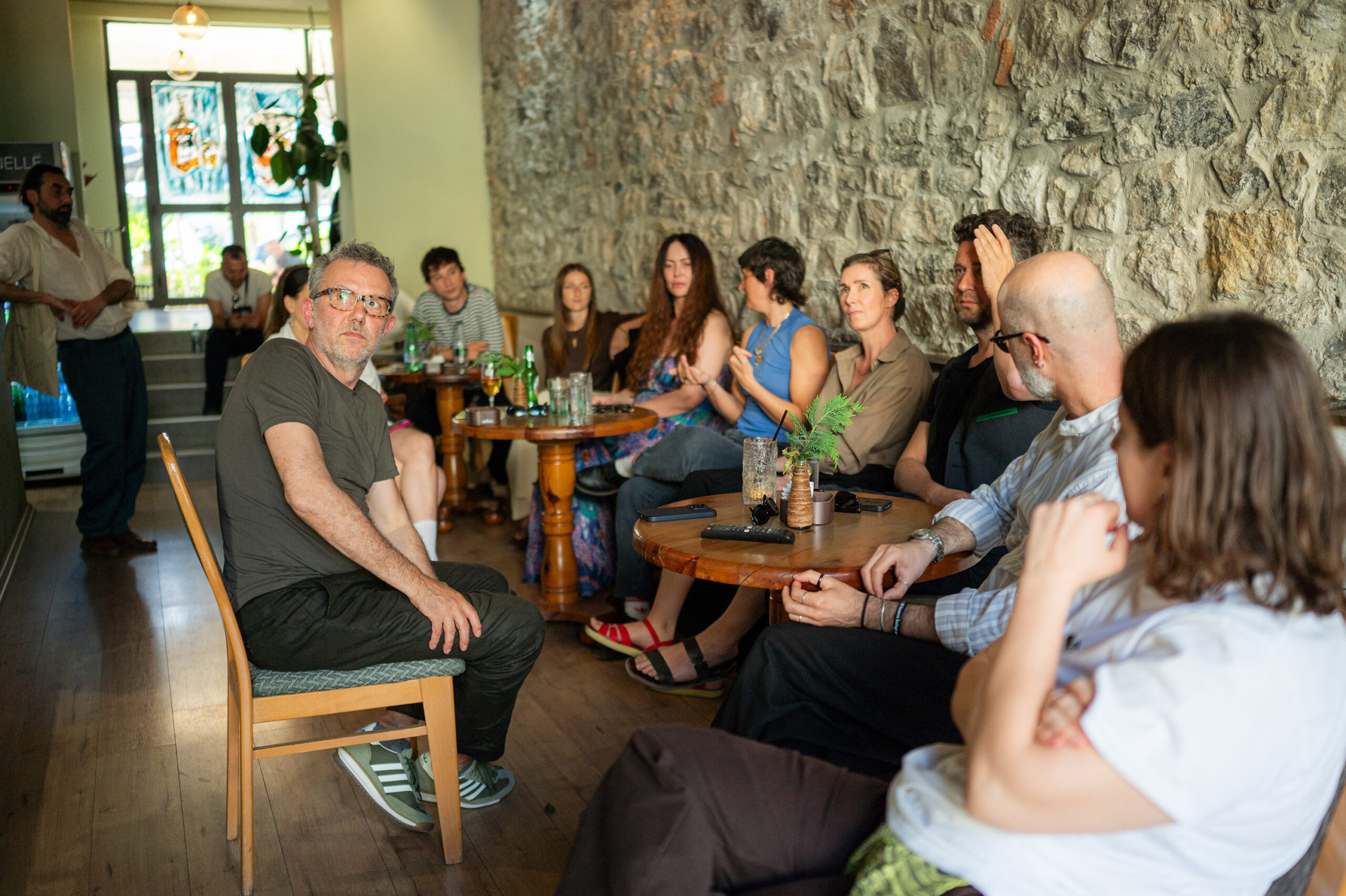
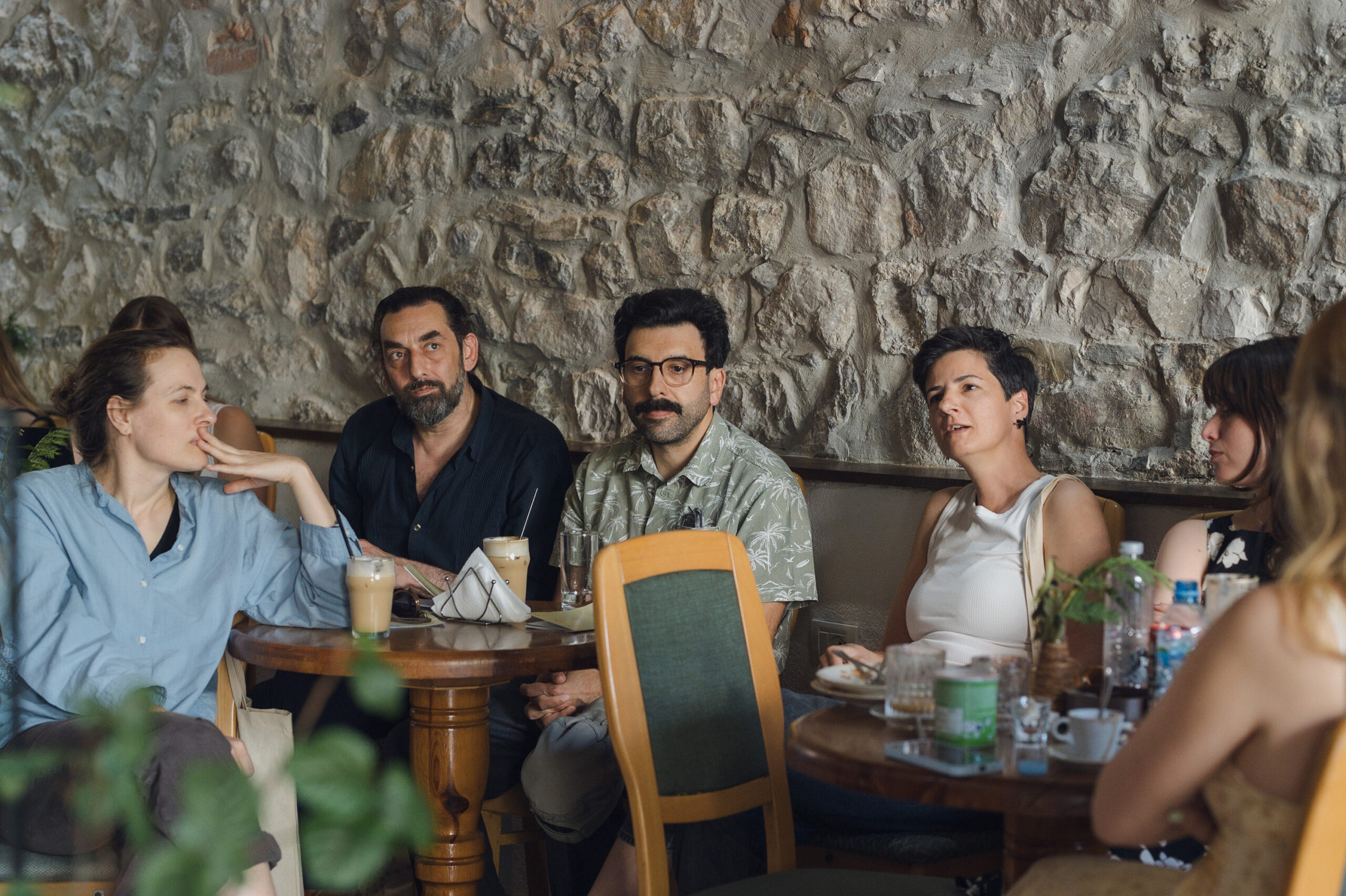
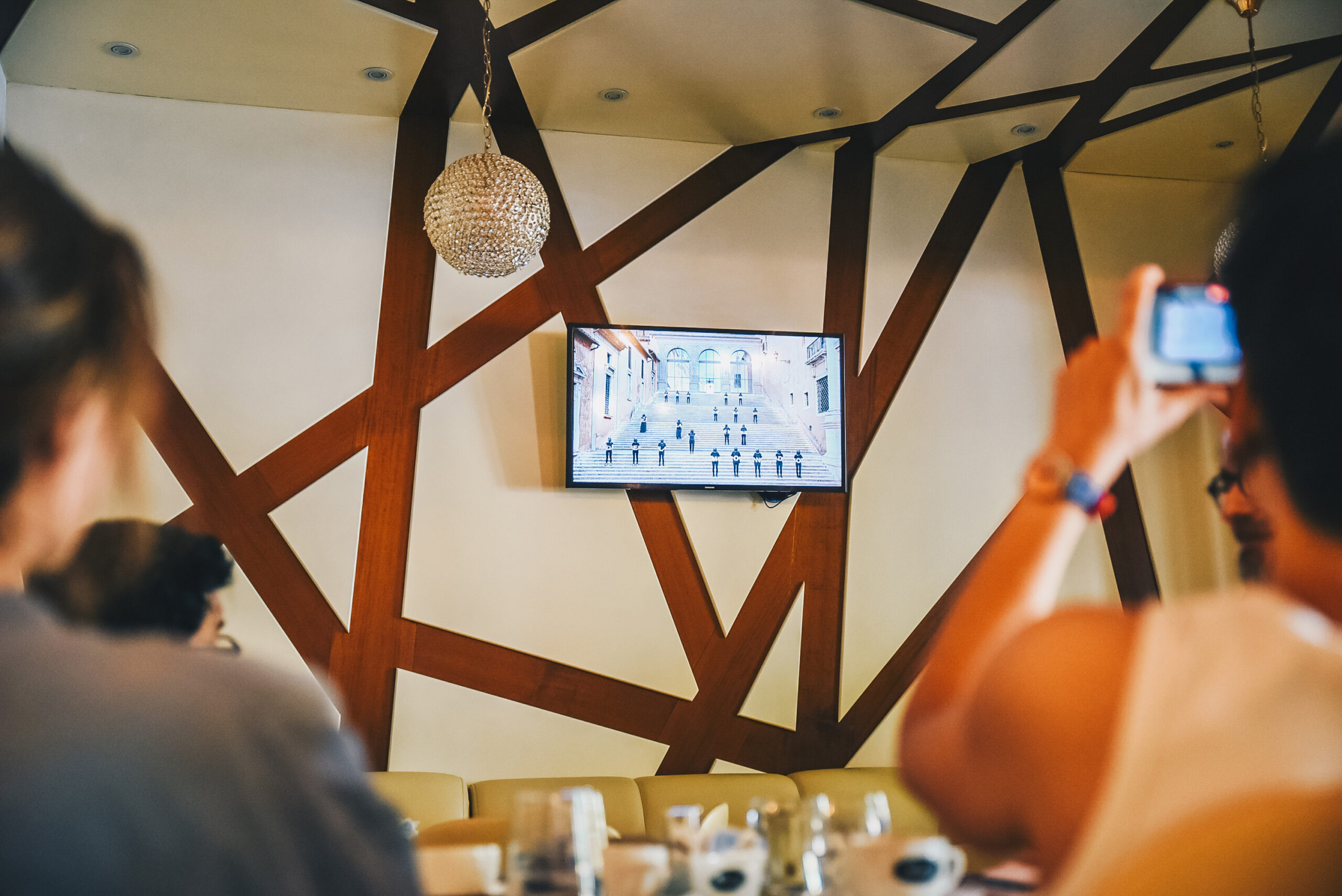
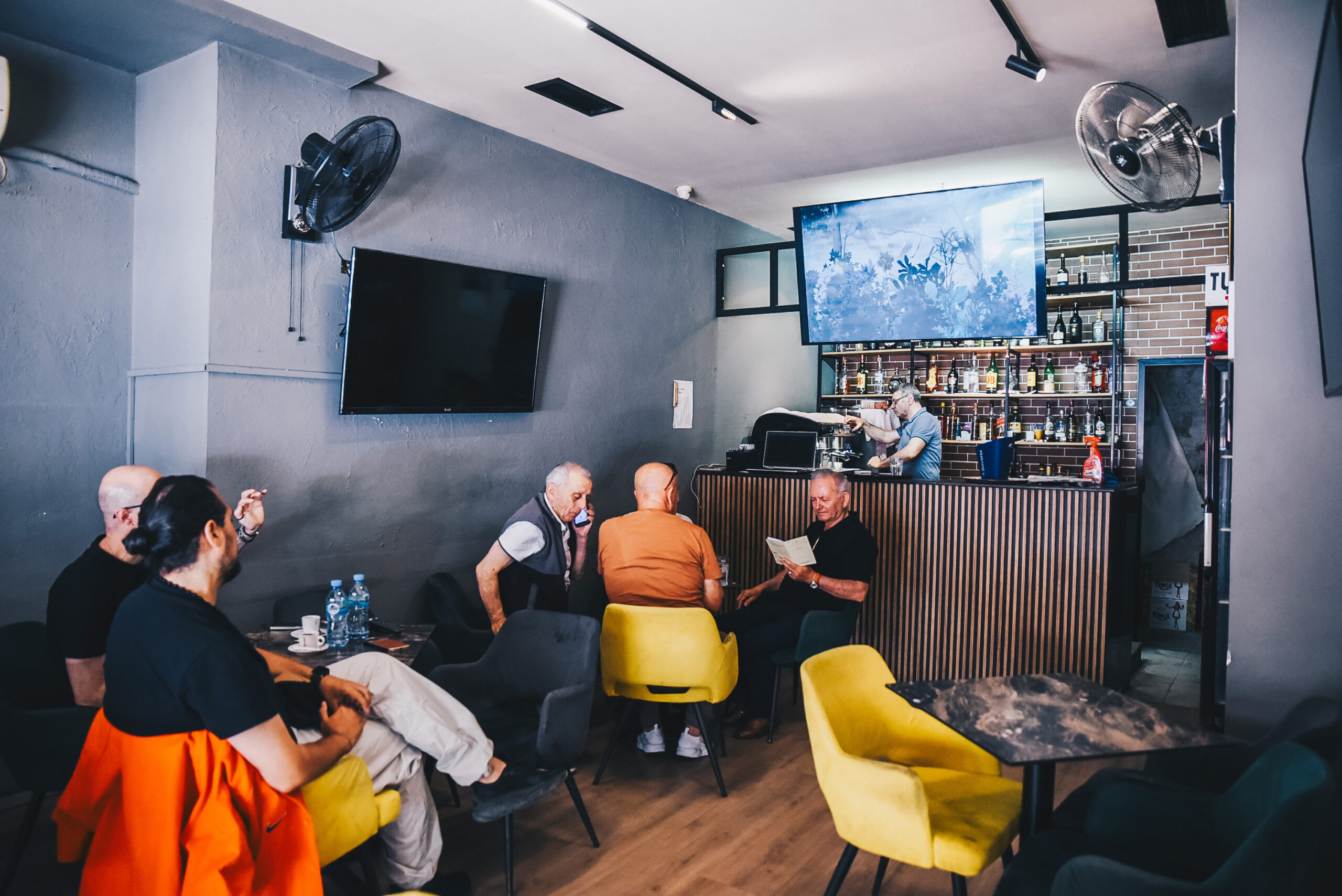
For this edition of Ekrani i Artit, I am curating two programmes. The first, which I have entitled The world reflected in a coffee table, unfolds across several bars in the city of Shkodra, with the aim of bringing the festival into urban space in a more organic way. The programme develops through three sub-narratives through which it is possible to read the world according to this perception of extended time: The time of the body, meaning time as an agent of transformation of the body and the way it relates to the space we inhabit; The time of the landscape, referring to the transformations of the natural and urban landscape, and to the loss or redefinition of our spatial points of reference; The time of the world, meaning the slow and deep time of the transformations of the planet we live on, and of the very idea of time itself.
The second programme is a selection of three films from the archive of Fondazione In Between Art Film in Milan, which has a long collaboration with Ekrani i Artit, and which I have entitled Some answers, but not those you wanted. The programme will be presented in a screening at the Francescani’s Auditorium. The works selected share a sense of suspension and waiting, of events that seem imminent and never materialise. They move through the territories of identity, borders, the unexpected and private violence, opening cracks in our certainties and continually crossing the threshold between certainty and disillusionment, between dream and imagination, between beauty and violence.
Stefano Romano
[1] Andamento lento is the title of a well-known song by Tullio De Piscopo, released in 1988
Some answers, but not those you wanted
Selected Artists:
Ali Cherri, The Watchman, 2023
Andro Eradze, Flowering and Fading, 2024
Elena Mazzi, Muse, 2020

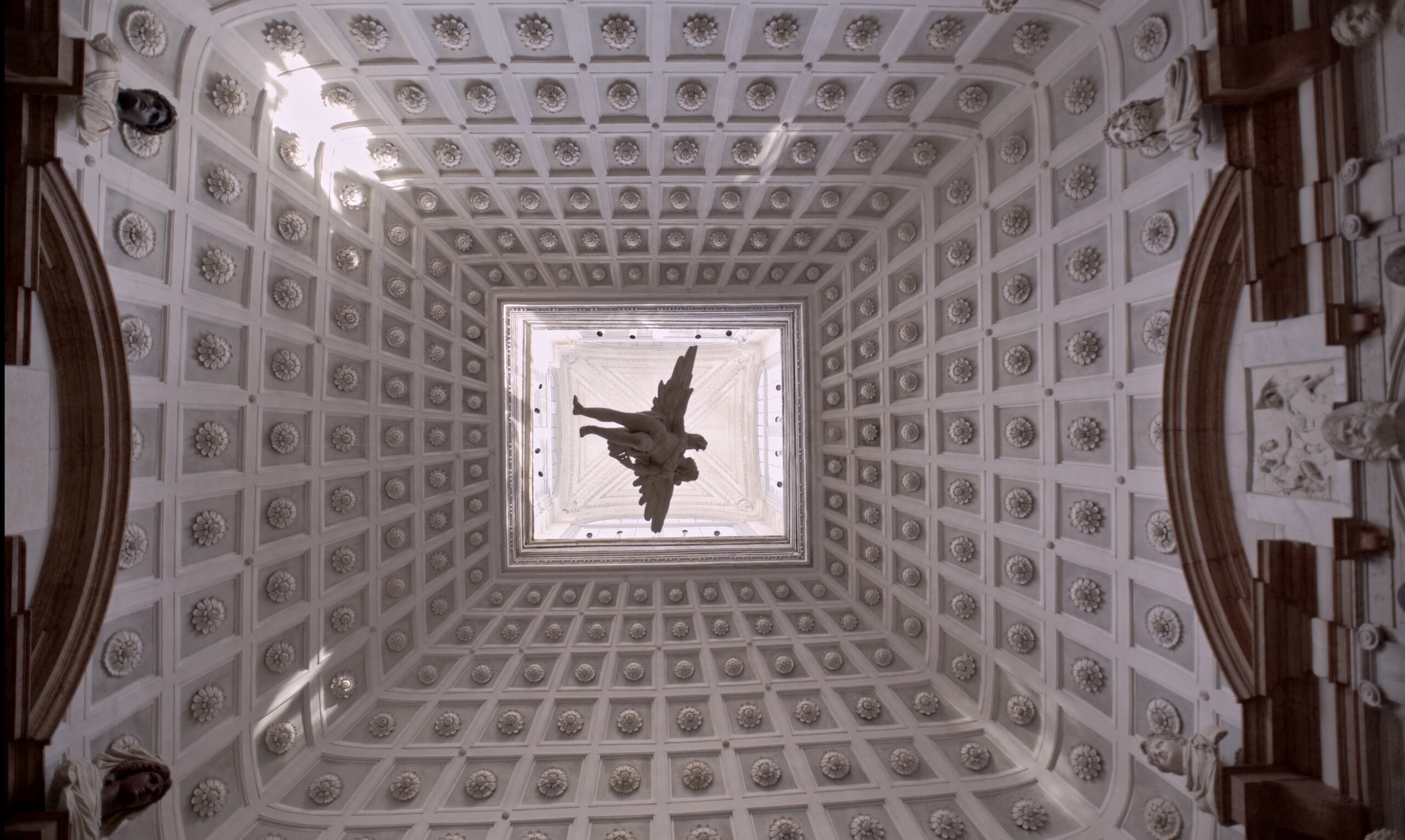
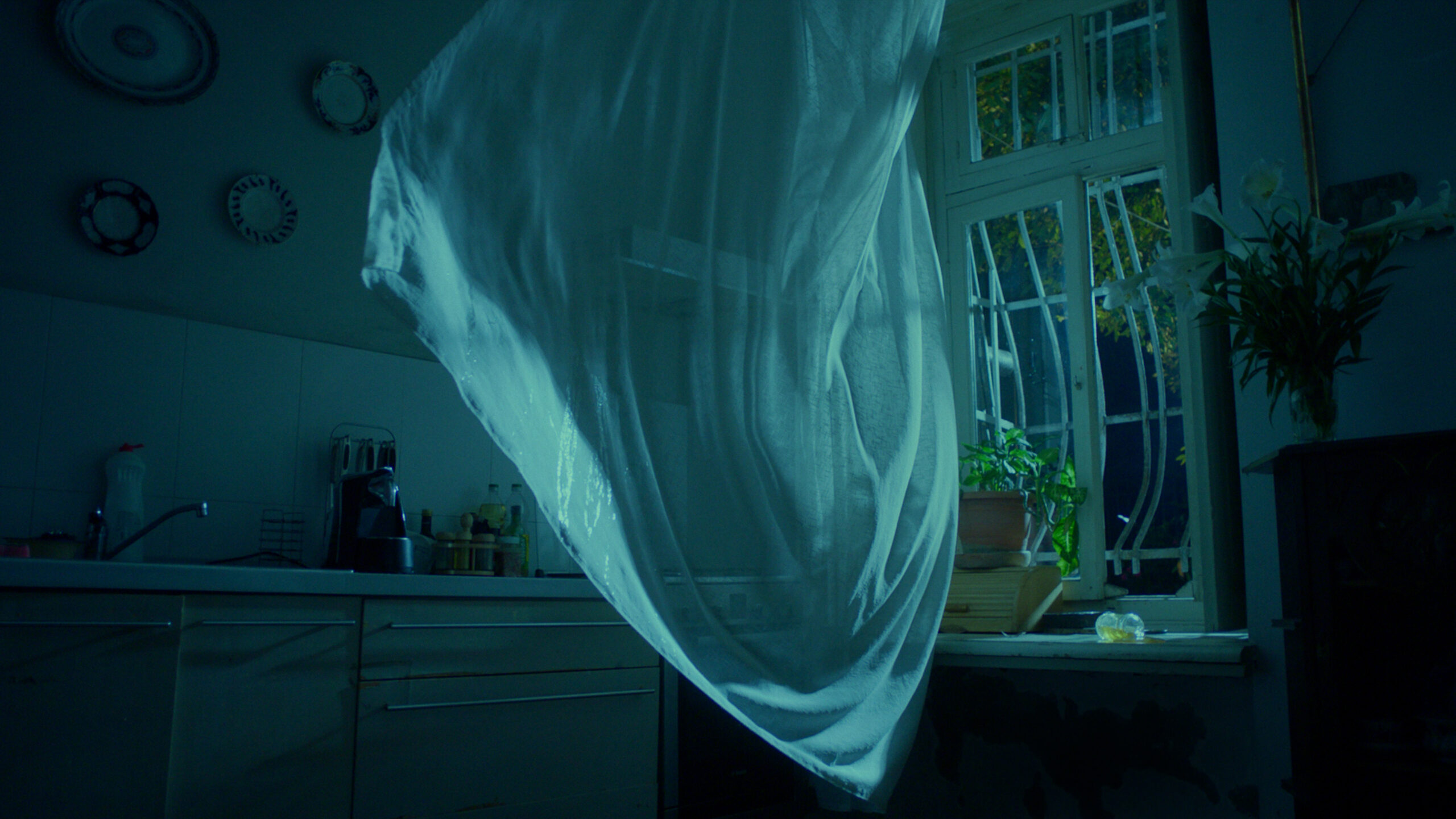
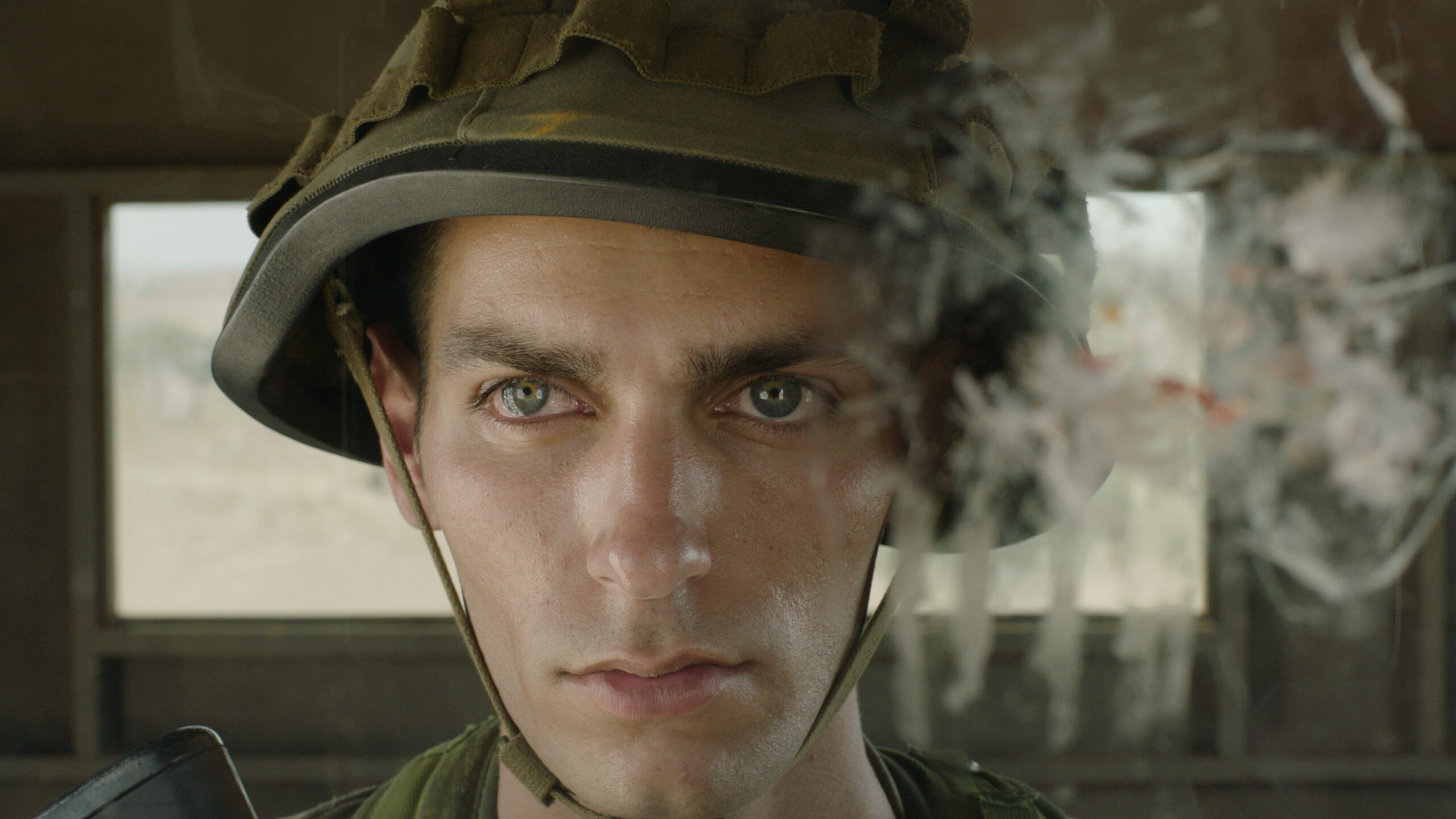
The world reflected in a coffee table
Selected Artists:
The Time of the Body
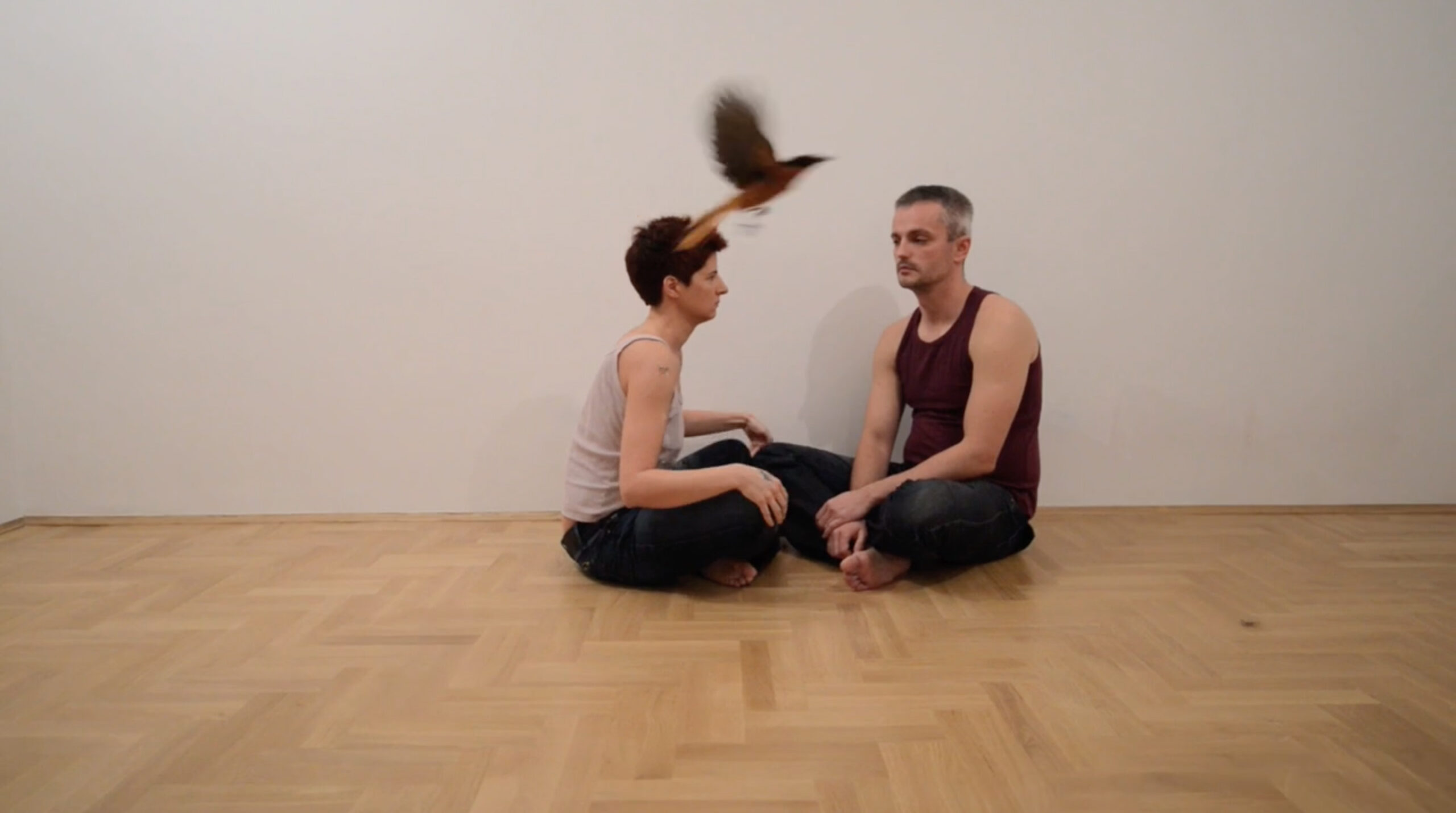
Sanja Latinovic, The Bird, 2020
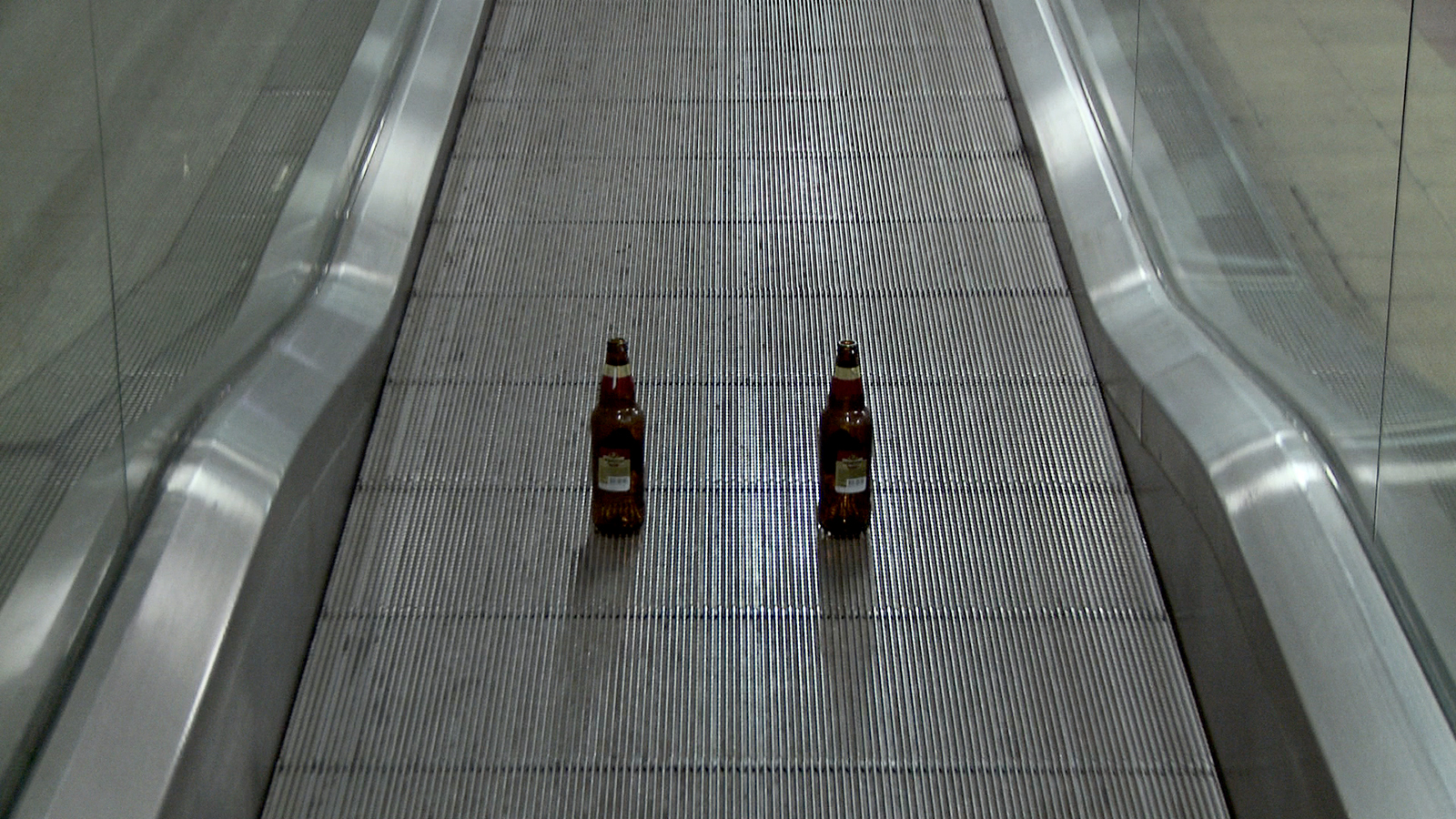
Anri Sala, Three Minutes, 2004
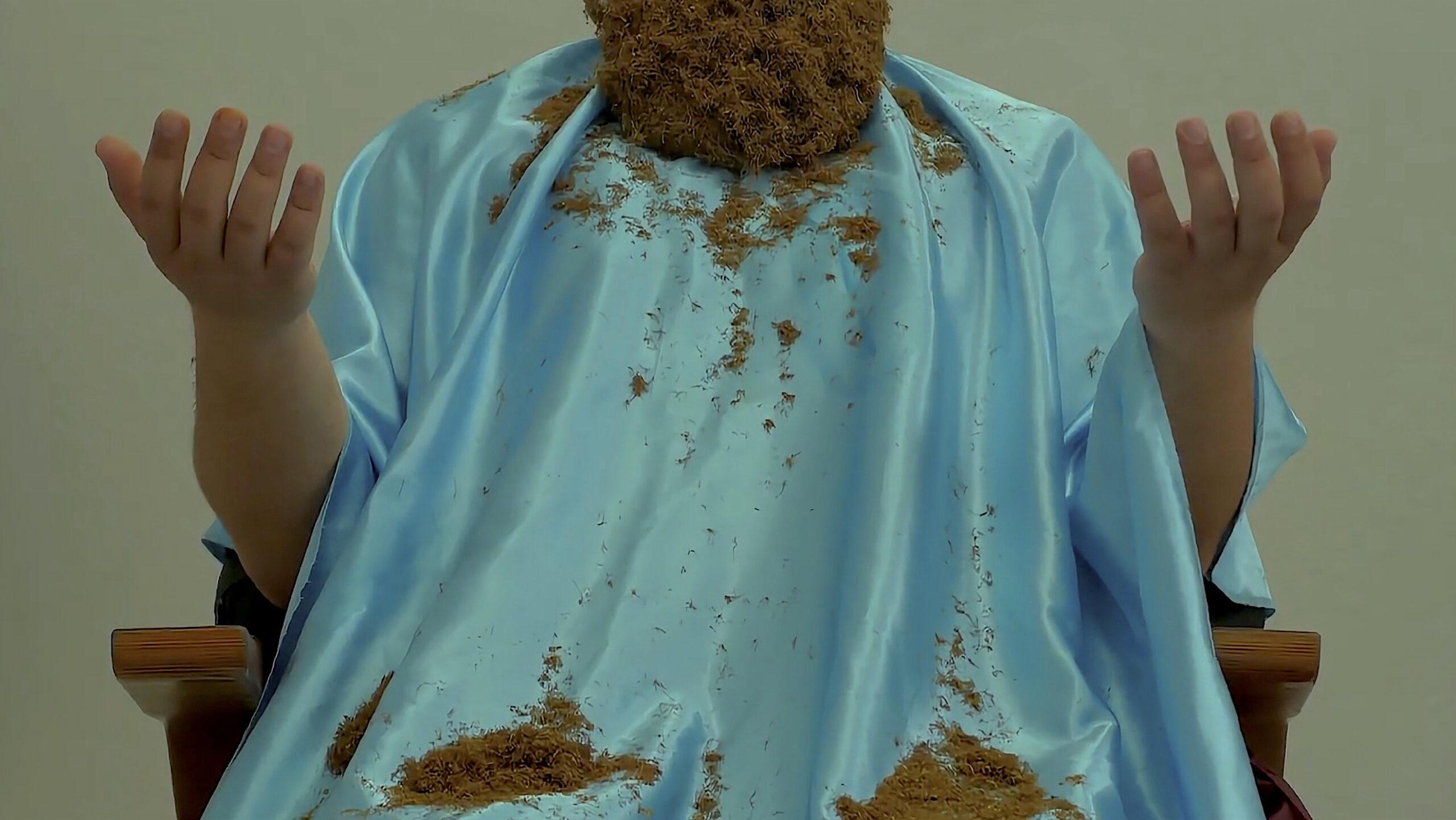
Nico Angiuli, Mjekra e Sulltanit, 2014
Trine Lise Nedreaas, Mac Donaldi, 2009
Elise Guillaume, Where I Learn to Breathe, 2022
The Time of the Landscape
Riccardo Arena, 25.765, 2008
Timea Anita Oravecz, Diego, 2018
Sofia Dona, Yuca Colours, 2016
Timea Anita Oravecz, William, 2018
Kalin Serapionov, UCS, 2013
Timea Anita Oravecz, John, 2018
The Time of the World
Francesco Pedrini, Cosa resta dell’infinito?, 2022
OJOBOCA, Instant Life, 2022
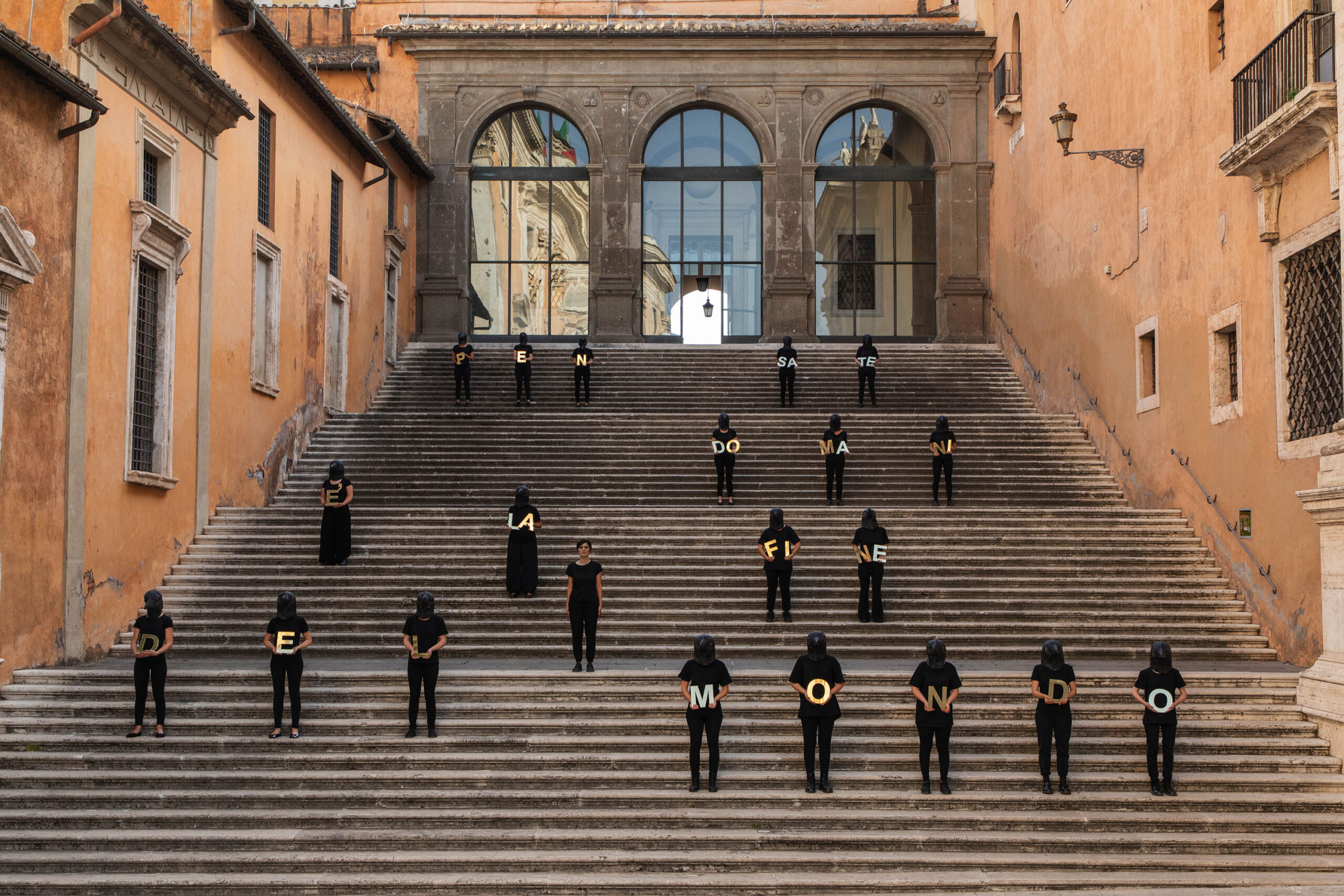
Elena Bellantoni, Pensate domani è la fine del mondo, 2021
Natália Trejbalová, About Mirages and Stolen Stones, 2020