Misdirection
Magic is therefore the ability to use energy fields, not necessary for perceiving the everyday world we know. Magic is a state of awareness. It is the ability to conceive of something that eludes ordinary perception.
Carlos Castaneda
“Eyes on me,” this is how the sequence of movements, actions, and words begins through which magicians lead us to the threshold of reality, into a space where what we know becomes entangled with the uncertain, with illusion, with appearance. Magic and rituals – more broadly – share something in common: the creation of fluid time (and consequently of fluid space). A time during which our sensory perception is stimulated and ready to welcome what, in our daily lives, we would not be prepared to accept. Magic reminds us that the world is not a transparent surface: it is a dense, layered texture, where every presence can be real even when invisible, because not everything is made to be brought to light.
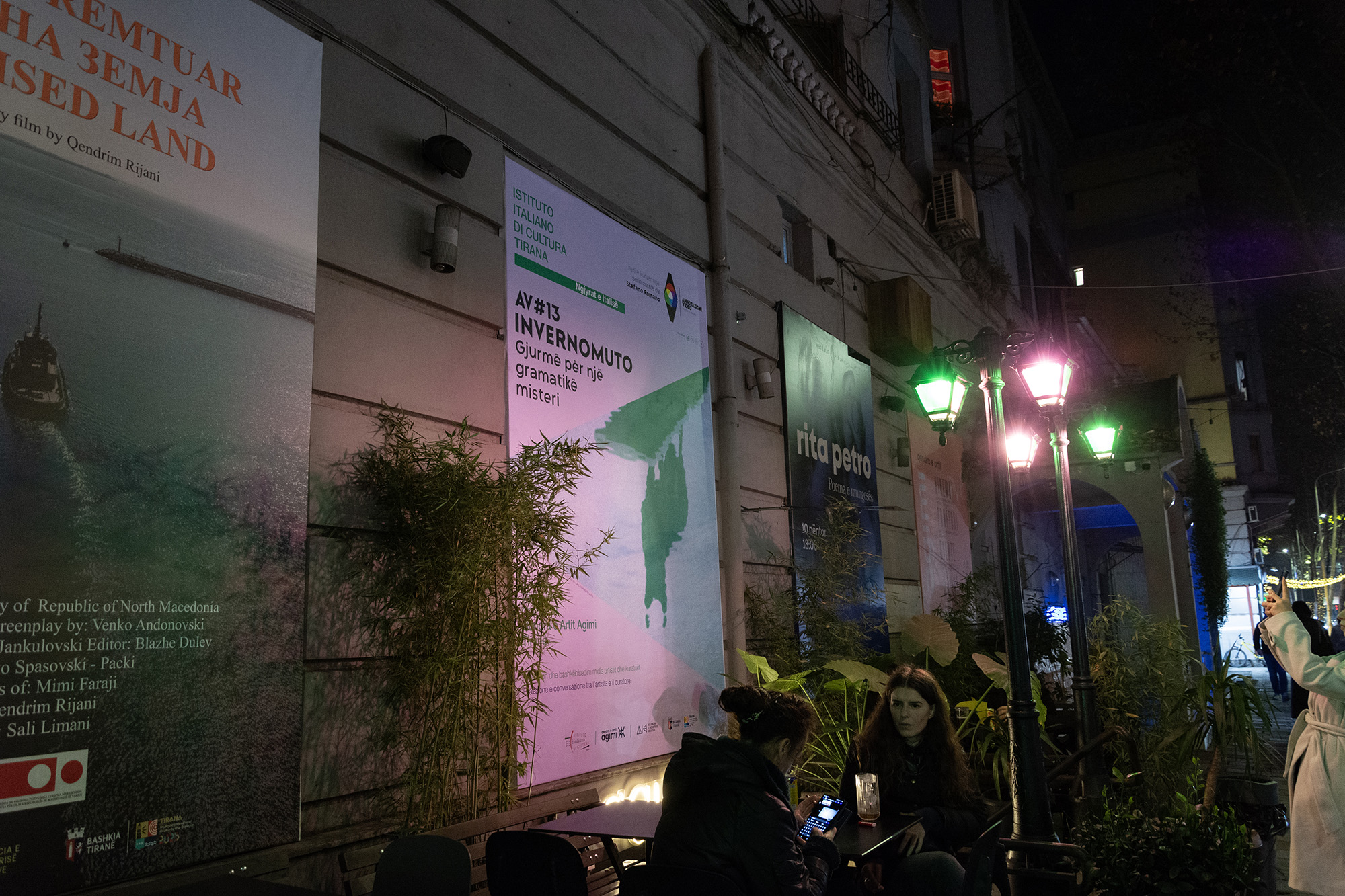
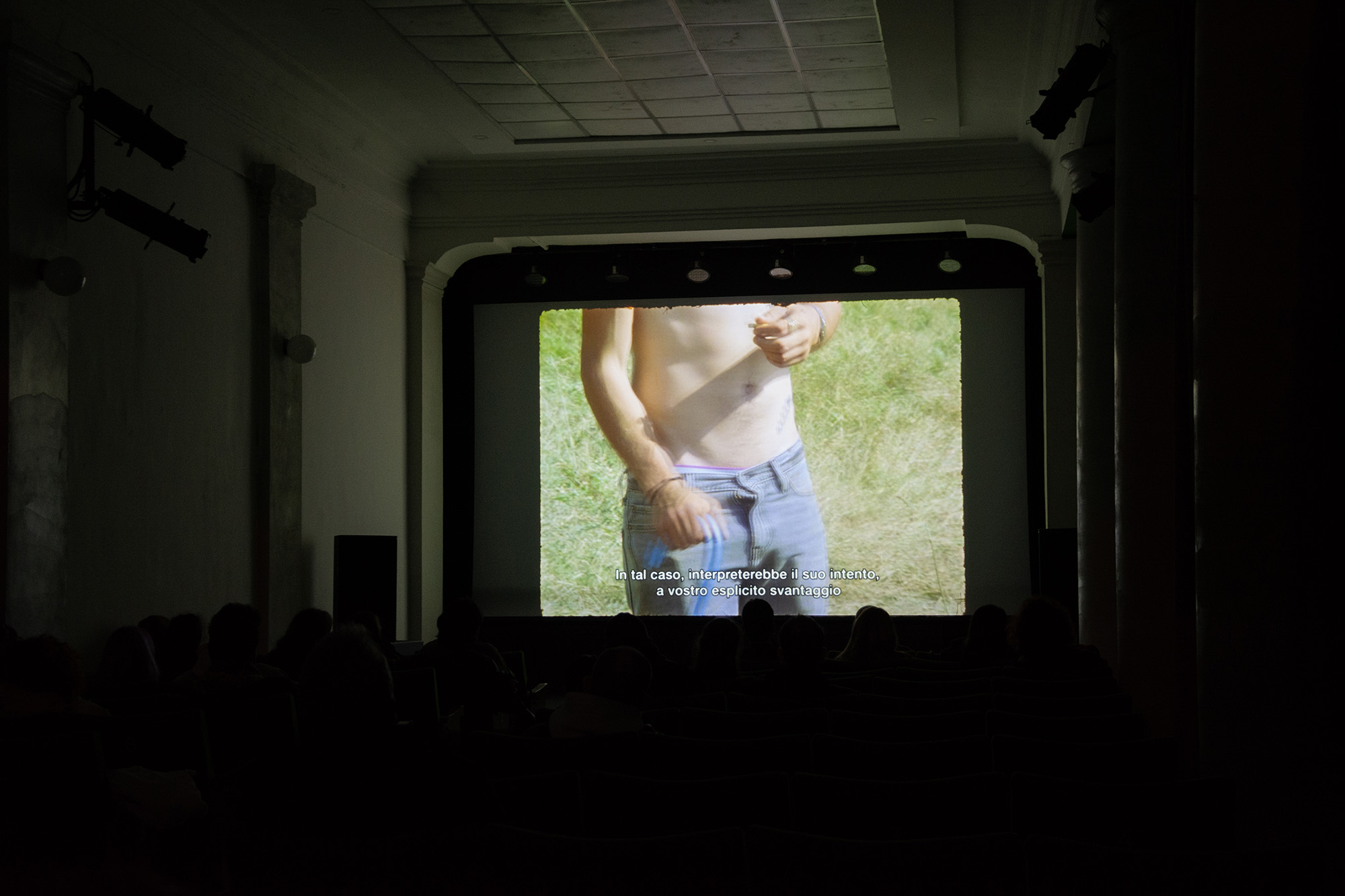
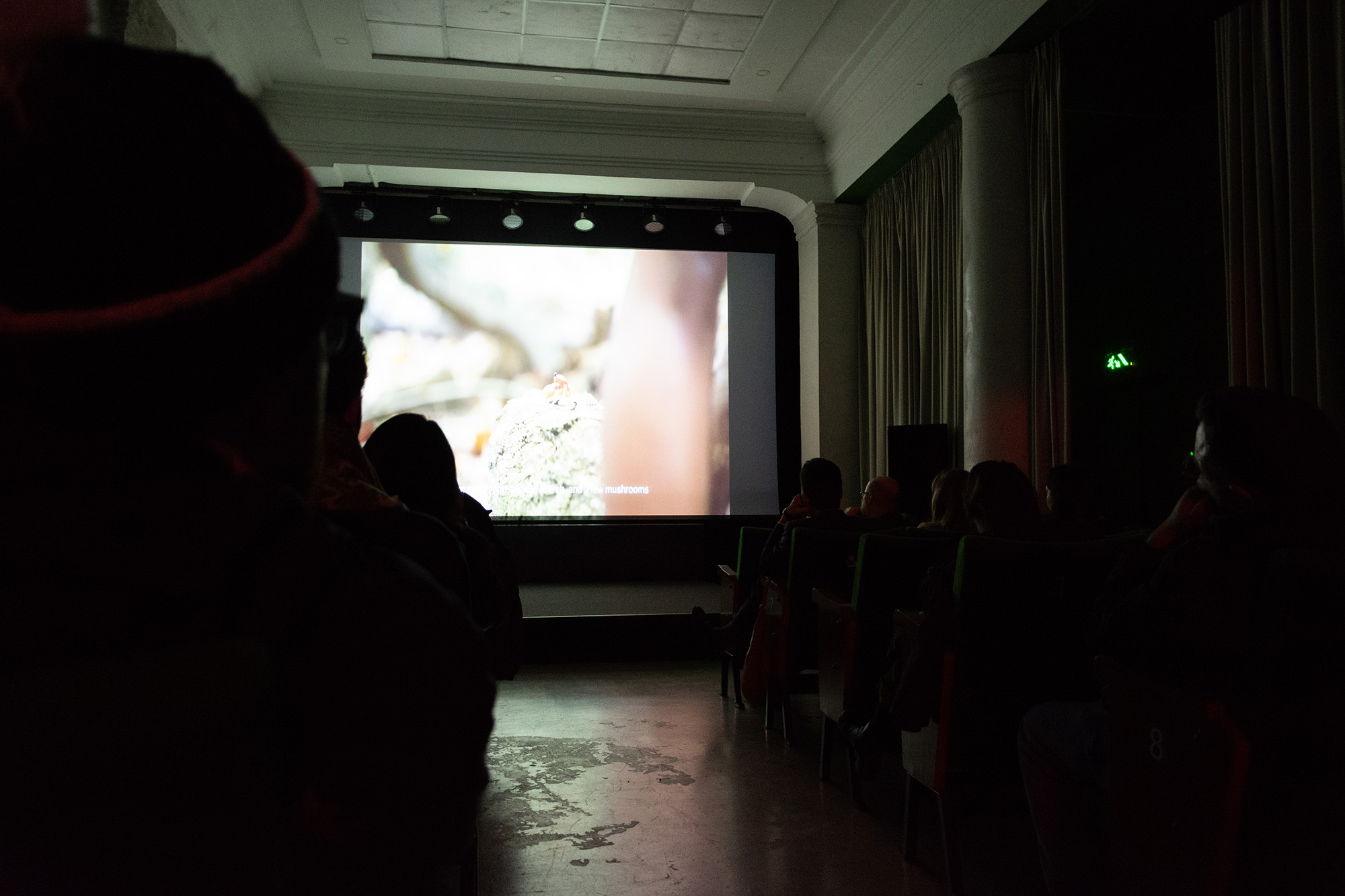
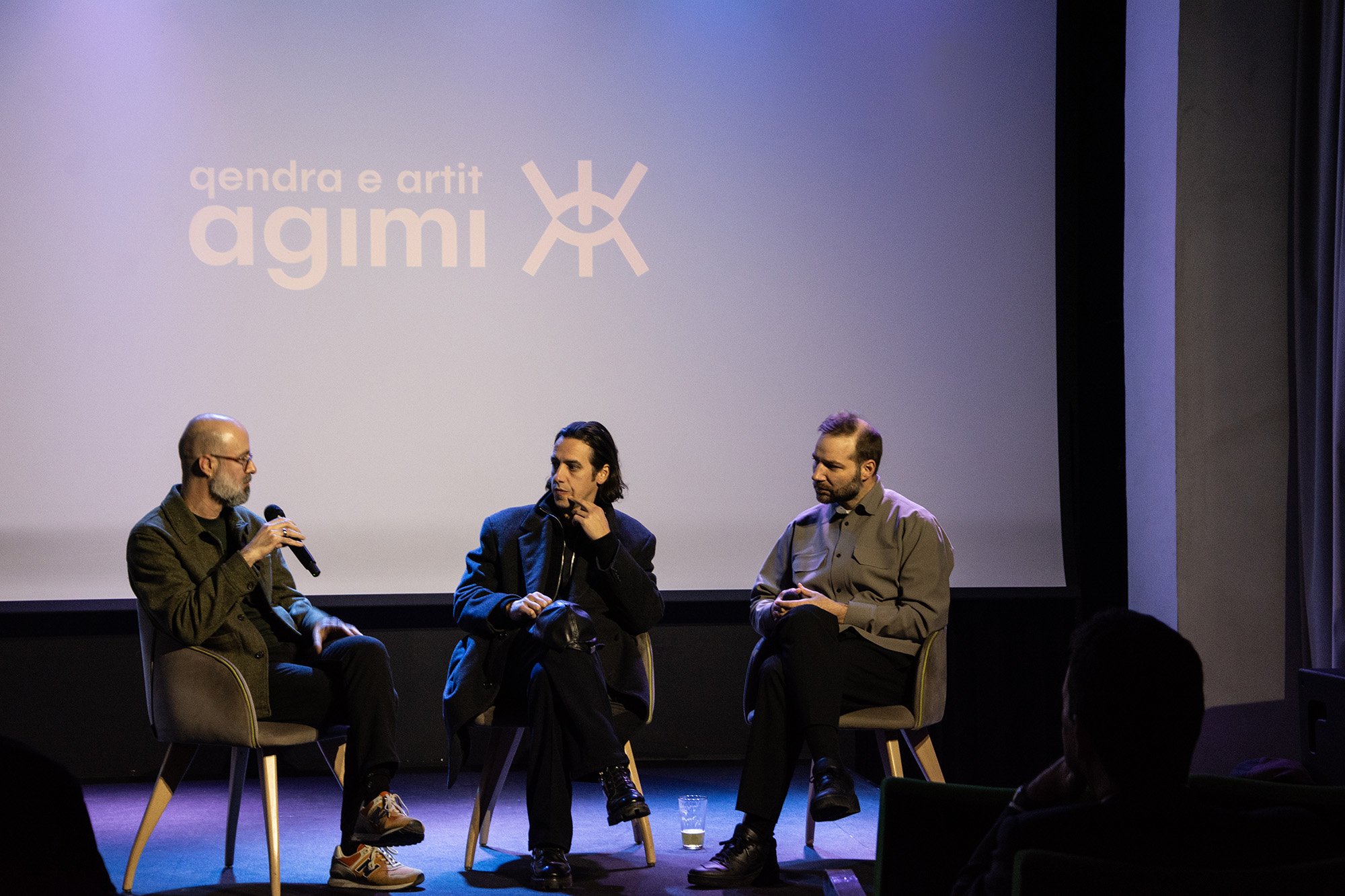
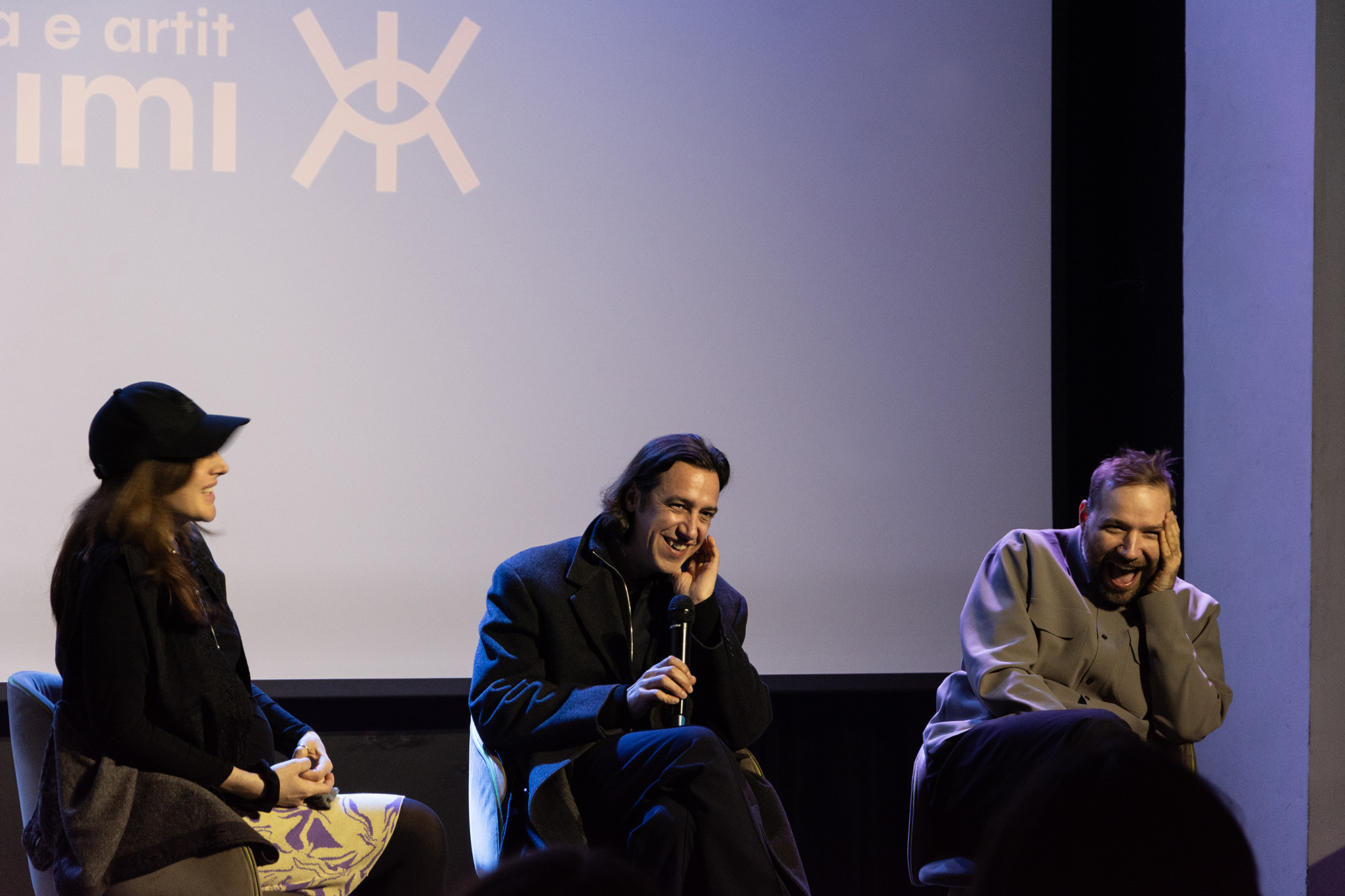
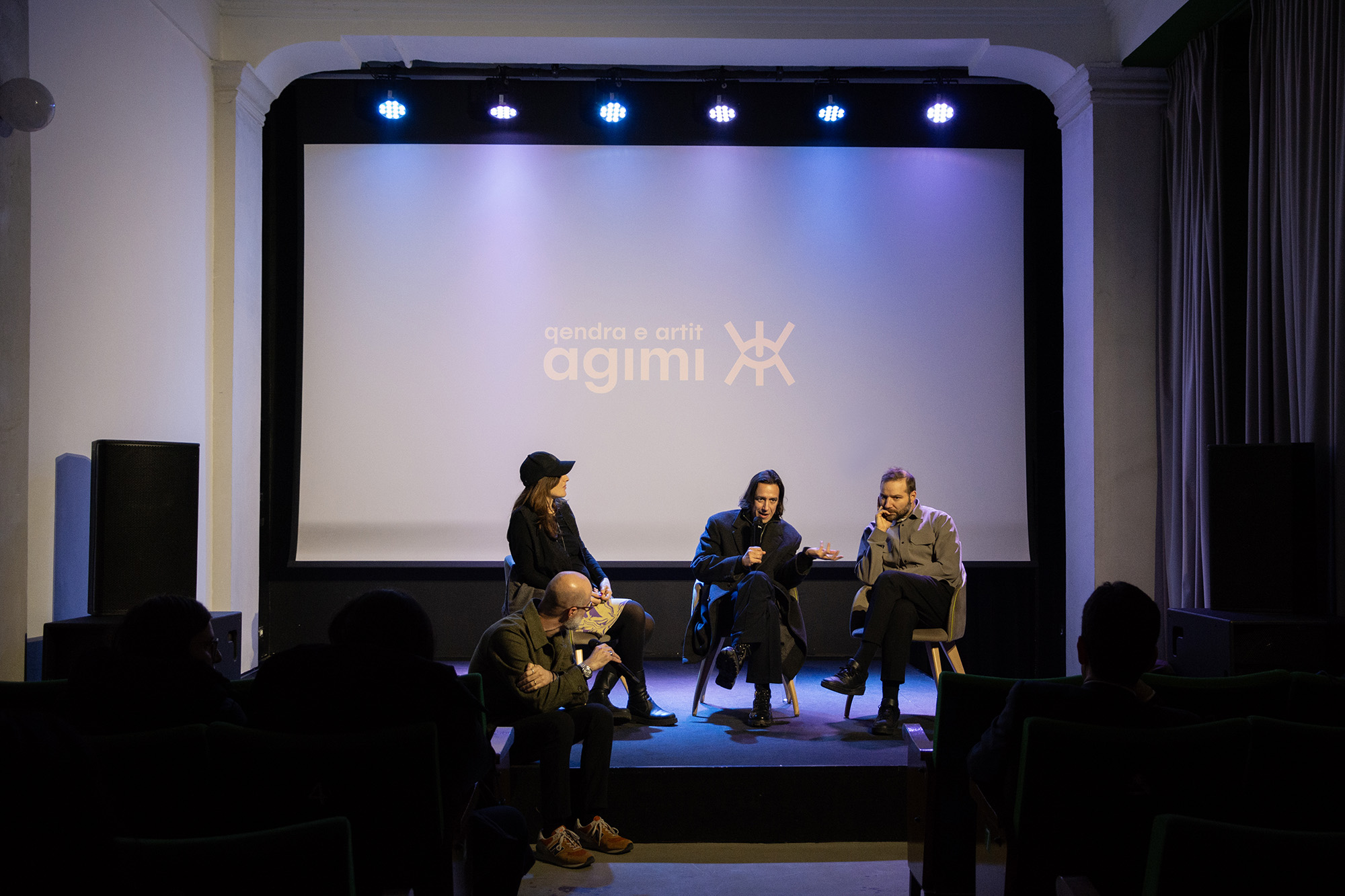
The final event of Annotazioni Video features Invernomuto, the name under which, since 2003, the duo formed by Simone Bertuzzi and Simone Trabucchi has been exploring contemporary mythologies, analysing the homogenizing processes of globalization within localized contexts. Tracce per una grammatica del mistero (Traces for a Grammar of Mystery) is a selection of two filmic works by Invernomuto; Paraflu (2025) and Mangrovia (2024), which examine, in particular, the relationship between humans, environment, animals, space, and time.
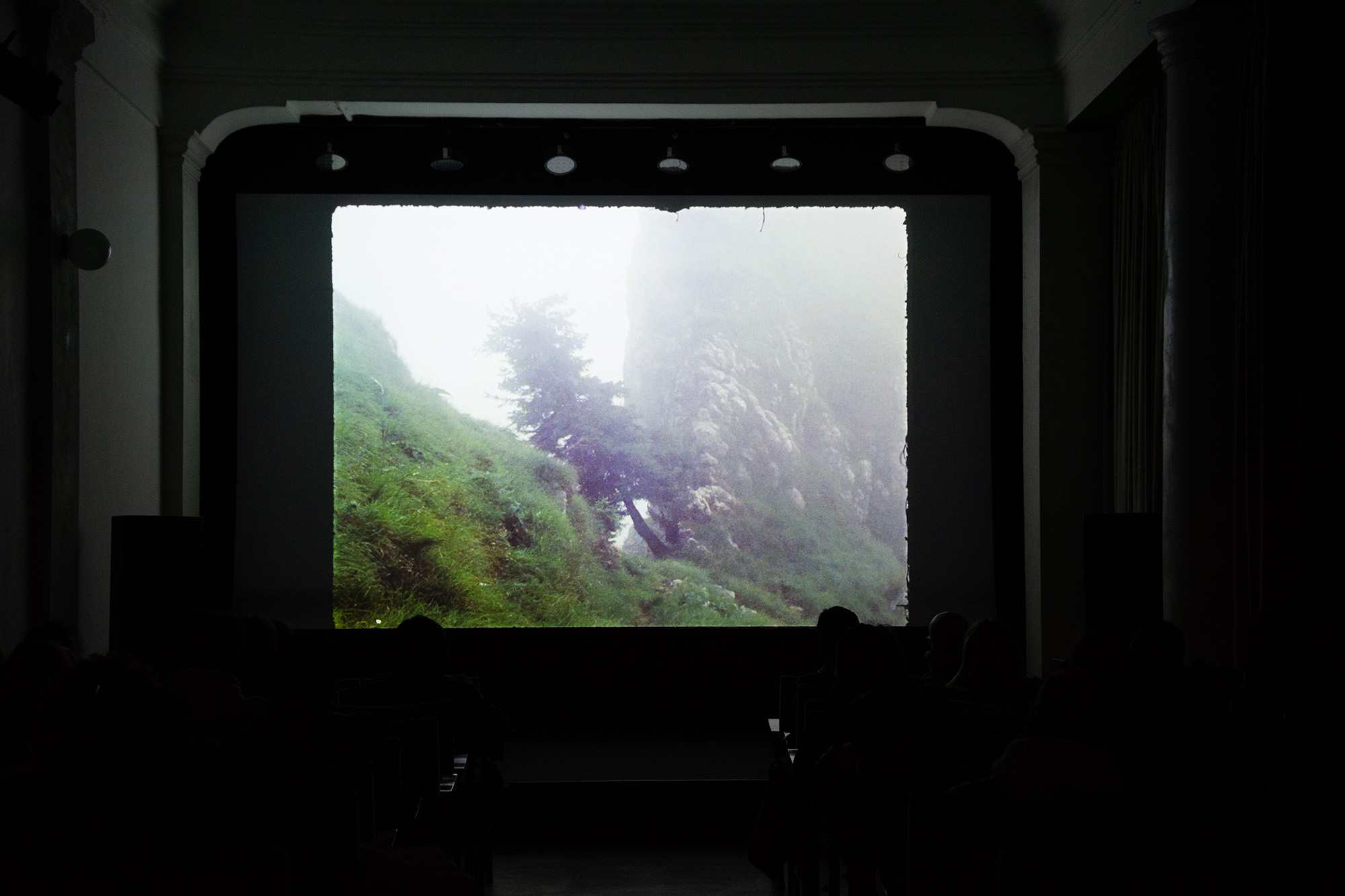
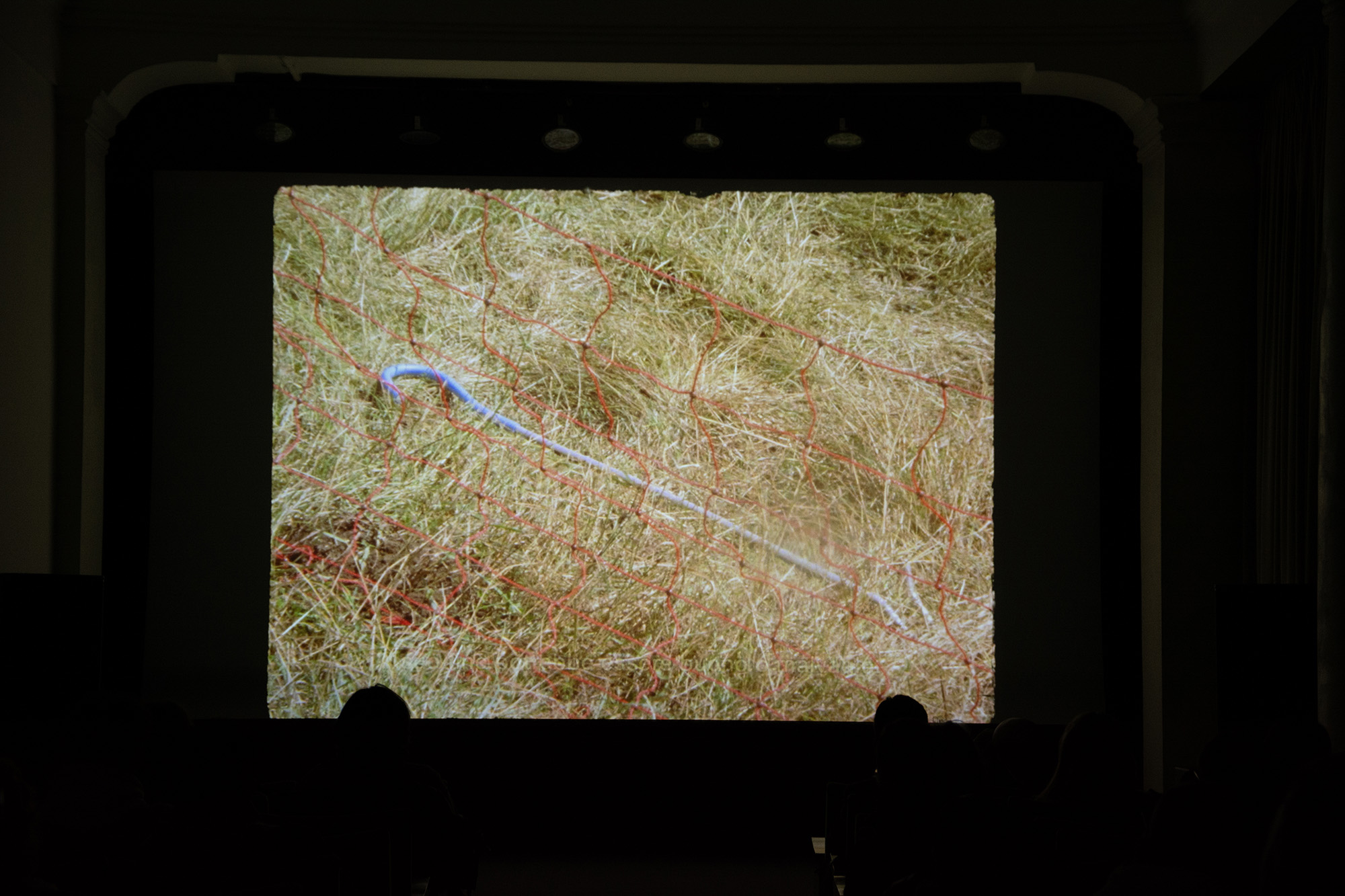
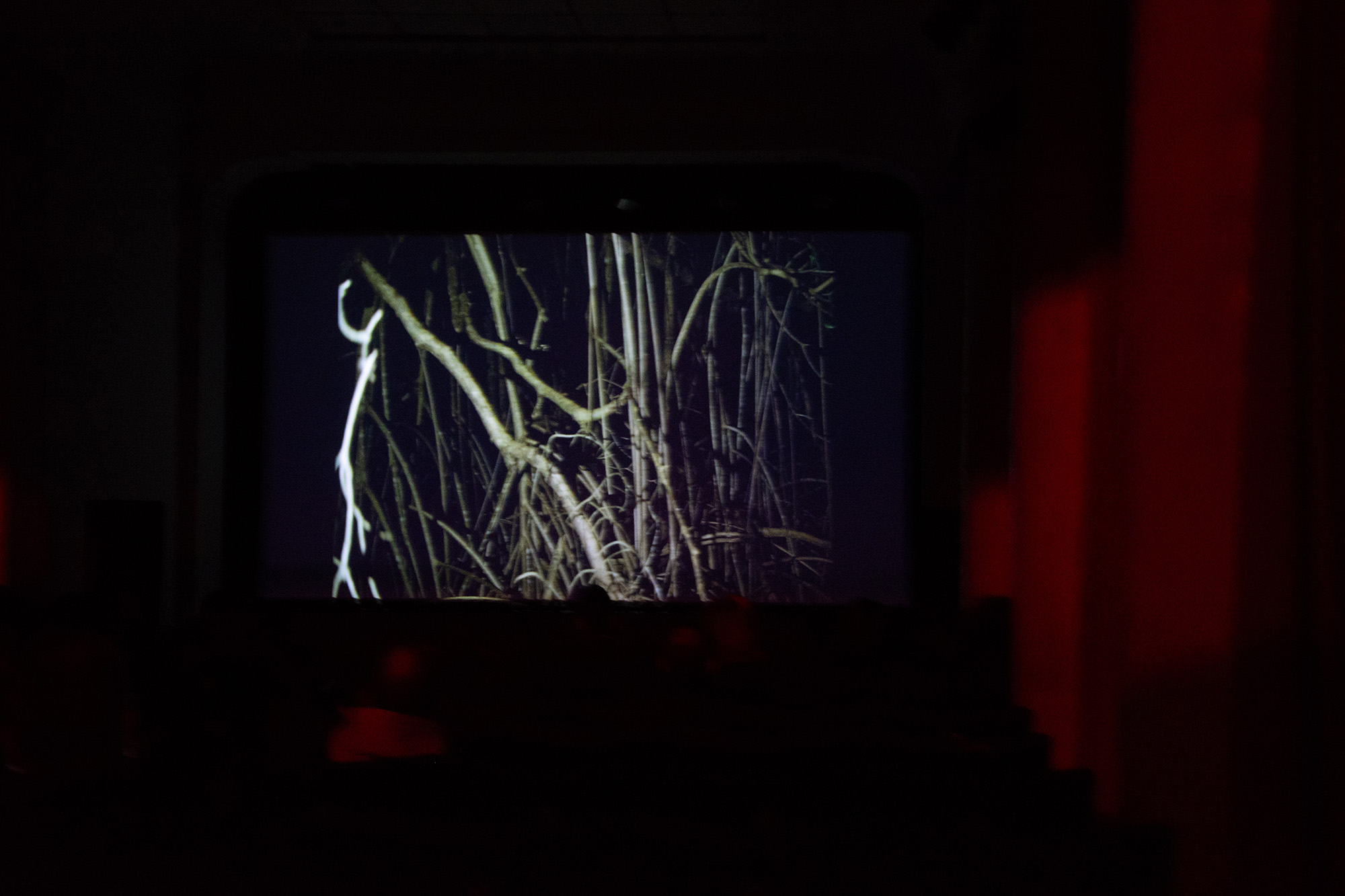
Paraflu is a film made by Michela De Mattei and Invernomuto, and focuses on the return of the wolf to the mountains of Northern Italy. Shot in 16mm, the film combines real documentary-style footage with AI-generated sequences. The title refers to a news story: the poisoning of a wolf pack with antifreeze liquid; Paraflu, precisely. The narrative is built around the writings of the philosopher and naturalist Baptiste Morizot, who writes of a particular skill, almost a divinatory art possessed by the wolf: misdirection. It eludes not only rifles and tracking devices, but above all the human gaze, which from time immemorial has fixed it within a closed category, that of threat, of myth, of problem. The wolf, however, is a being that refuses simplification. Its tracks appear and disappear like signs left by an illusionist of the forest: a sharp imprint in the snow, then nothing; a rustle, then absolute stillness. Each of its appearances asks us to test our attention, to train our perception, to learn to read an alphabet of clues subtler than our own.
In this capacity to vanish, to confuse, to reappear elsewhere, an echo of remote time resonates: the wolf as liminal creature, guardian of thresholds, emissary of a world that is neither entirely wild nor entirely domesticated. Misdirection is not a trick but a poetic gesture: an invitation to relinquish domination in order to rediscover relation; it is the art of living within this complexity, of refusing to be found where power would have us, of moving according to lateral, intuitive logics. To follow a wolf is to follow a question, not an answer.
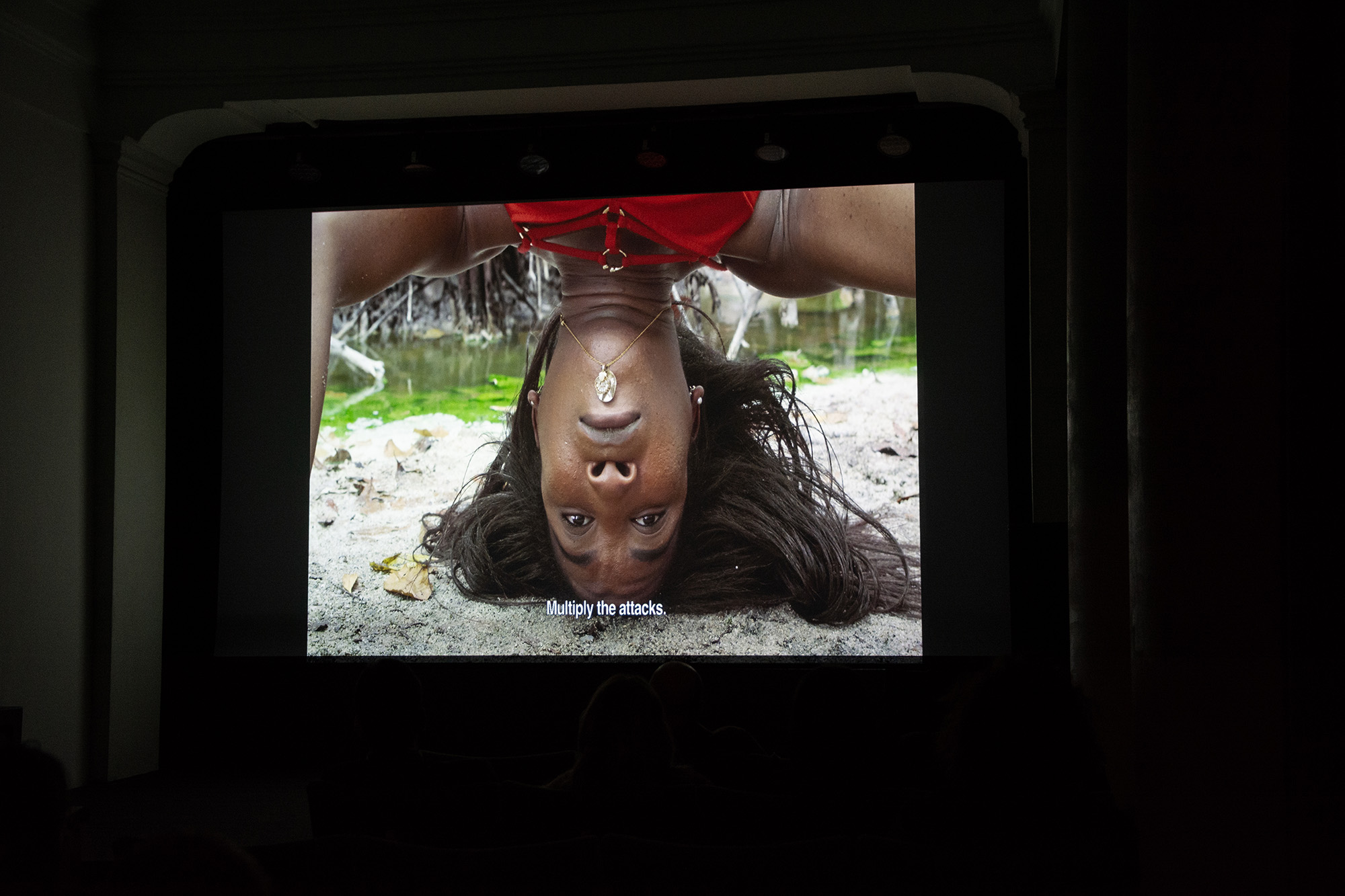
Mangrovia is a film born from a collaboration between Invernomuto and Low Jack, a DJ and electronic music composer. The film is set in the marshy landscapes of Martinique, along the mangrove ecosystems. Here too, what we are given to see are traces, useful for constructing a grammar that once again leans on a fragile and apparent reality, while what we are projected into is a slippery gravity. A gravity with which Rayna (a prominent dancer and choreographer of the dancehall movement of the French Antilles) attempts to enter into dialogue through a series of handstands performed with her body on the sand. Her body falls, repeatedly, continuously, shifting gravity from space to time, into the working-through of a loss that seems impossible to confront if the time ahead of us is infinite.
Both films confront us with a liminal space that calls into question our way of inhabiting the world. We too, following the traces left by the conscious or unconscious protagonists of the films, are compelled to change our pace. We learn to observe without demanding, to sense without possessing. This approach forces us into an oscillation between seeing and imagining, between reality and enchantment: a practice not so distant from that of artistic creation.
In the end, what remains is the transformation of the human gaze. The traces we have followed, real, false, imagined as they may be, work within us like small spells: they teach us that to know does not mean to reduce, but to open; that to follow is not to hunt, but to let oneself be guided; that every encounter with the other, animal, human, or vegetal, is equal to a revelation.
And so the wolf disappears into the forest, the mangroves sink into the water, and we remain on the threshold, with the sensation that something has just lightly touched us. It is the certainty that the world continues to mislead us, and that in this misdirection, perhaps, lies its greatest promise.
Stefano Romano
Photo documentation of the event: Amarda Rrapo