Taking and Returning
Not what the stars have done,
but what they are to do,
is what detains the sky.
(Emily Dickinson, Letters, 860 Summer 1883 – Maria Whitney)
Rituals have always served important social functions for the stability of the groups in which they are performed. Within the repetition of gestures and situations, information is transmitted about the roles each person plays within society. Above all, through its unchanging repetition over time, the ritual acts as a sort of protection from the unpredictability of events, reinforcing both the sense of belonging to a community and the shared beliefs within it. What makes a series of actions “ritual” is the cyclical repetition of gestures that have no practical outcome in the external world, yet produce results within us—in our approach to reality and in the very sense we give to our lives.
In general, ritual holds a “salvific” potential: repeating gestures without questioning the order of execution or the magical or divine power attributed to them serves precisely to give us a sense of salvation.
This is also true for rituals that develop within religions. As with tribal, personal, or superstitious rituals, religious rituals often originated as responses to external needs and persisted over time, going beyond their initial utility to become part of liturgy, while continuing to retain their protective power.
In “Il cielo stellato” (“The Starry Sky”), Caterina Erica Shanta investigates a ritual—specifically, the feast of the Madonna della Bruna in Matera—but does so starting from a rupture, paradoxically enacted through an act of restitution. The festival, whose ritual has grown increasingly rich and complex over the centuries, connects the ancient center of the Sassi with the newer outskirts of the city, involving inhabitants who, on that day, assume very specific roles: there are the “knights,” the “defenders,” the “attackers,” and the “spectators.” Each person, on the day of the festival, performs their role so that the ritual can repeat itself once again, unchanged, in order to express its collective salvific potential.
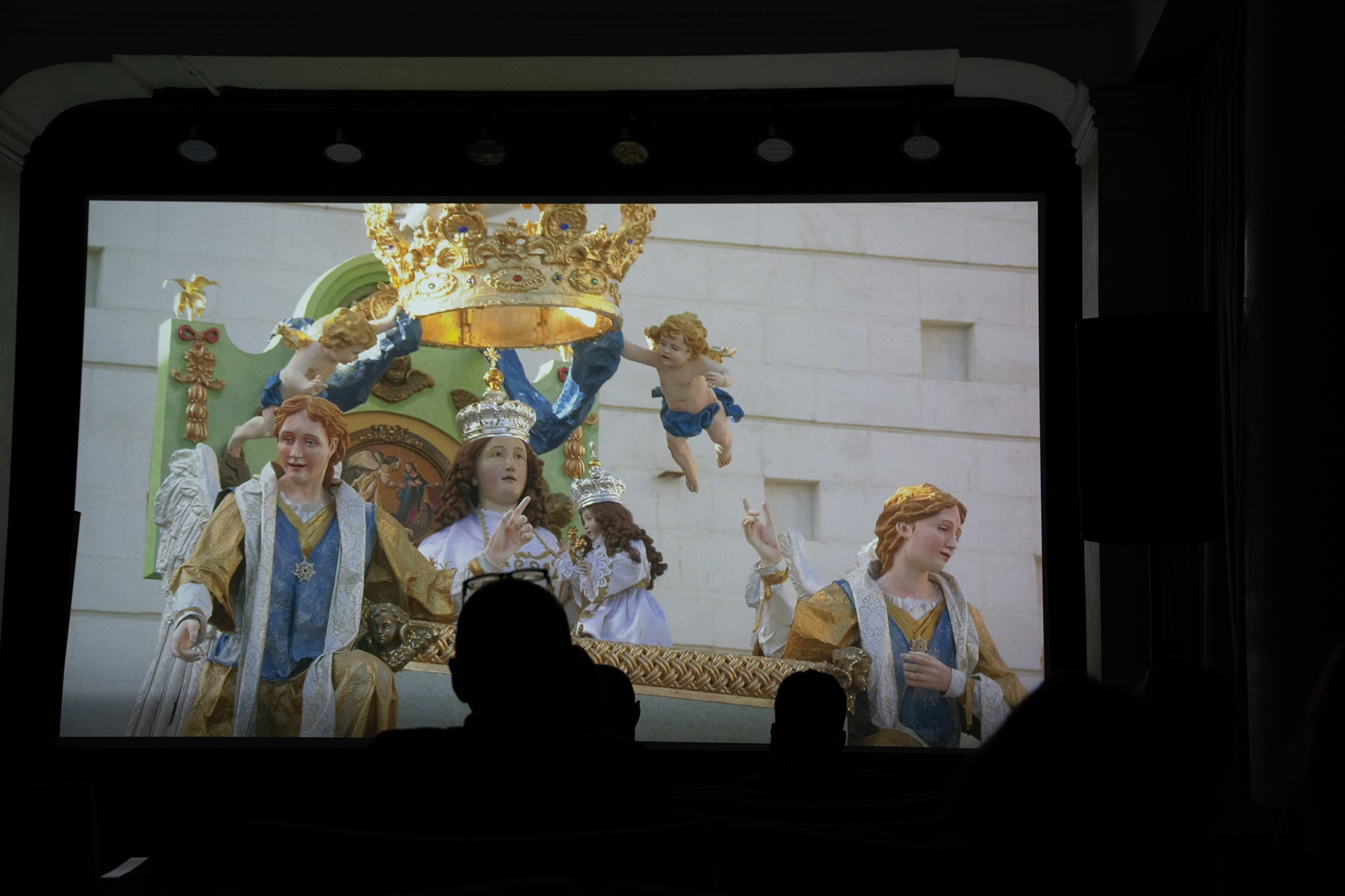
The enormous papier-mâché triumphal float, representing a throne for the statue of the Madonna della Bruna, is built differently each year by local master artisans and travels in procession escorted by the “knights” through the city to the Cathedral, where the statue is deposited at dusk.
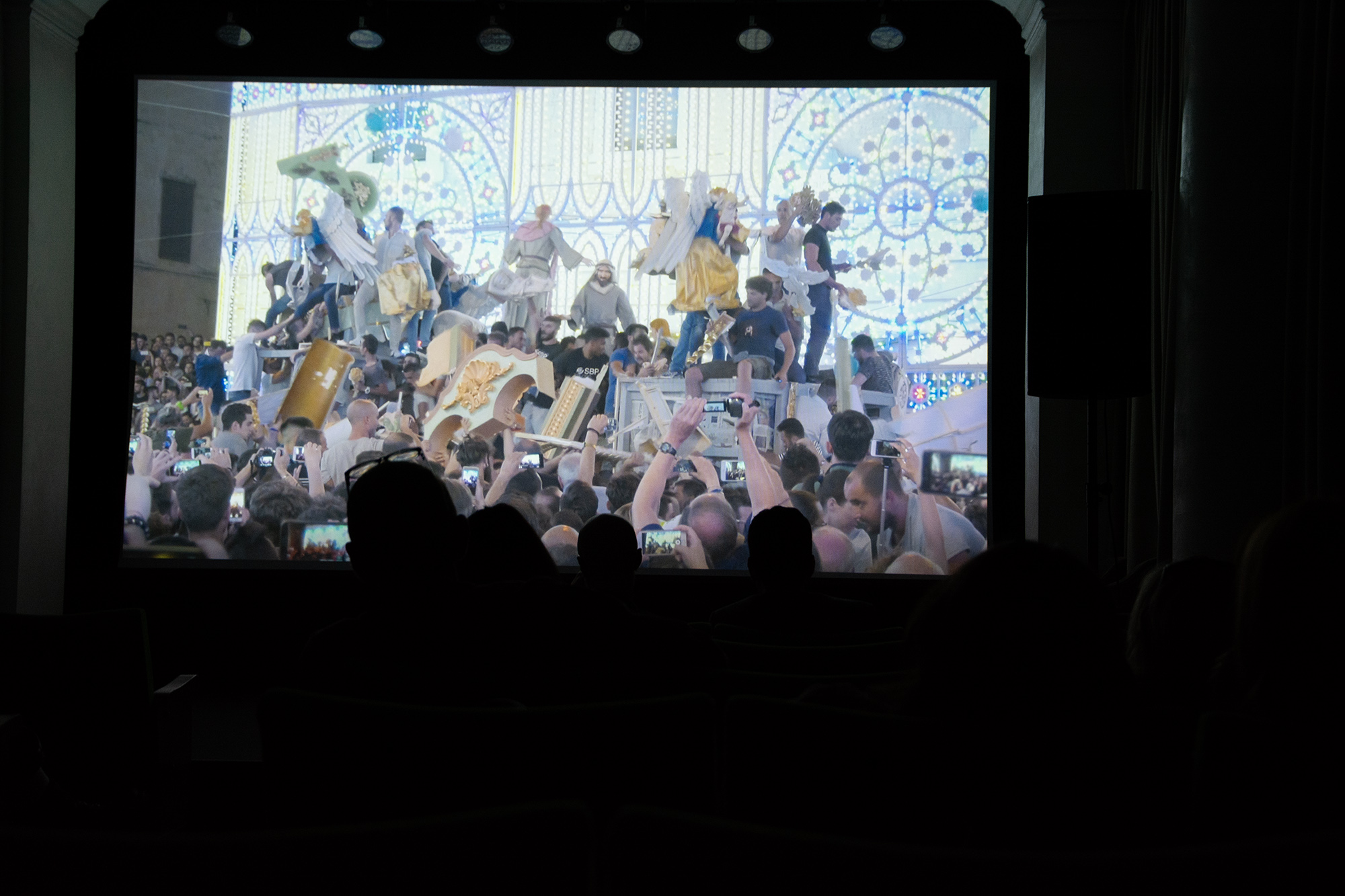
The climax of the festival coincides with its end: the moment of the strazzo (meaning “the tear” in Italian), when the triumphal float is handed over to the population of “attackers.” This is a moment of pure adrenaline; not even the police cordon can contain the crowd packed into Piazza Vittorio Veneto, pushing forward to hurl themselves at the still-moving float. The tension in the air is palpable—anything could happen at any moment. The crowd grows increasingly agitated, then, like a tightly wound spring, it explodes, voraciously consuming everything in minutes. The papier-mâché float is torn into thousands of pieces, like a grand feast being devoured, until it disappears before the eyes of those watching.
In that same square, saturated with people, while the float is on the verge of destruction, hundreds of arms rise into the air, each holding a phone—as if reflecting a terrestrial image of the starry sky. These points of light are screens capturing photos and videos of the strazzo, which now “exists” and is shared from a multiplicity of perspectives.
“Taking photographs is a collective act, an integral part of the rite.”[1] But this multiplication of viewpoints, born from the massification of photography through smartphones, also has the effect of altering the space-time perception that was once the only possible one within Christian vision—namely, the linear, single-point perspective.
Christianity, in fact, conceived of time as linear (in contrast with the cyclical time of the Greeks). Oscar Cullmann, one of the foremost scholars of Christian time, affirms that “revelation and salvation occur along an ascending timeline.”[2] But the multiplication of perspectives shifts our perception of space and time toward something more akin to a “Cubist” view of reality—one that dissects and opens the subject to simultaneous observation from all sides, as if we were in many different points of space at once.
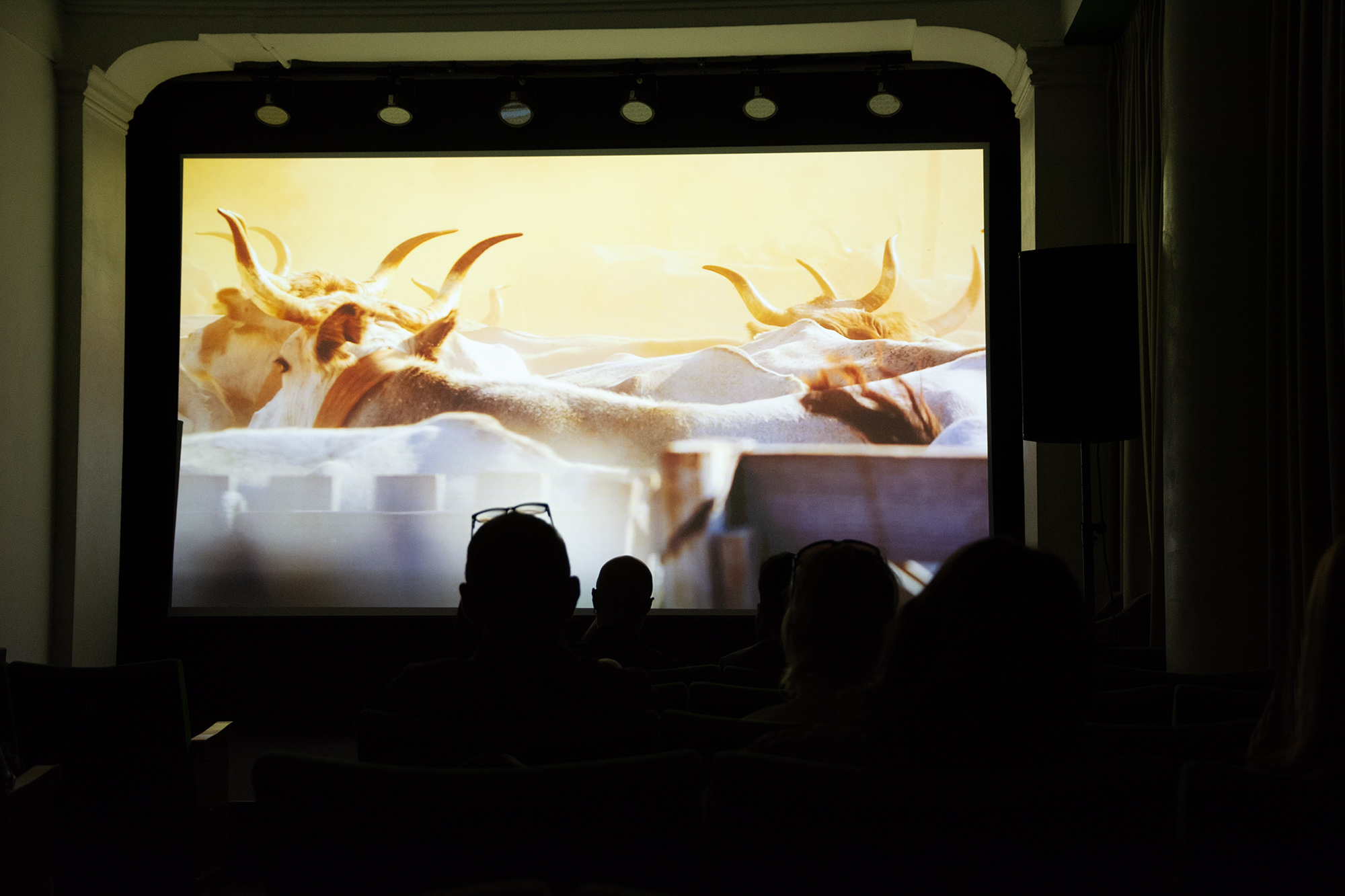
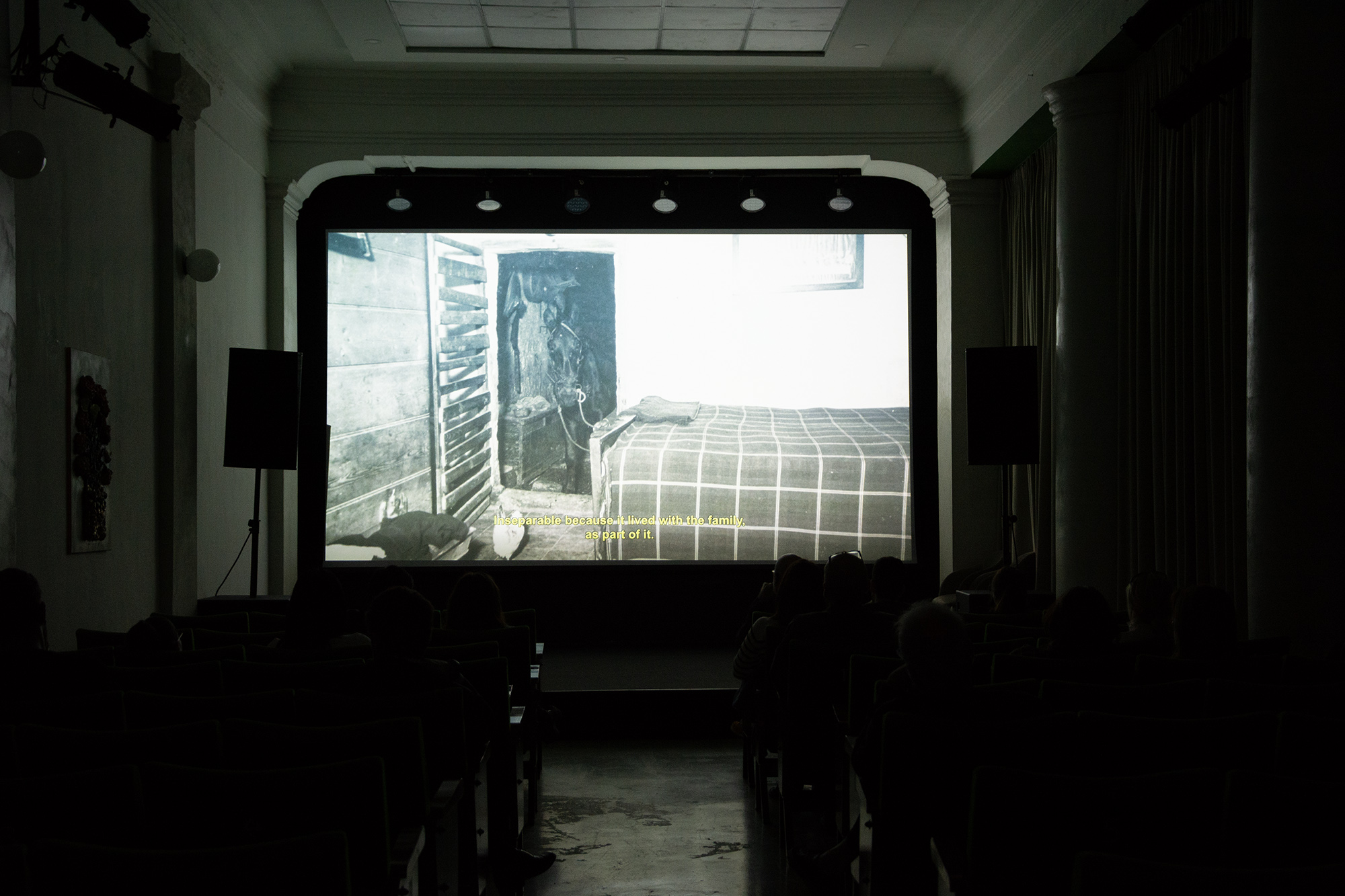
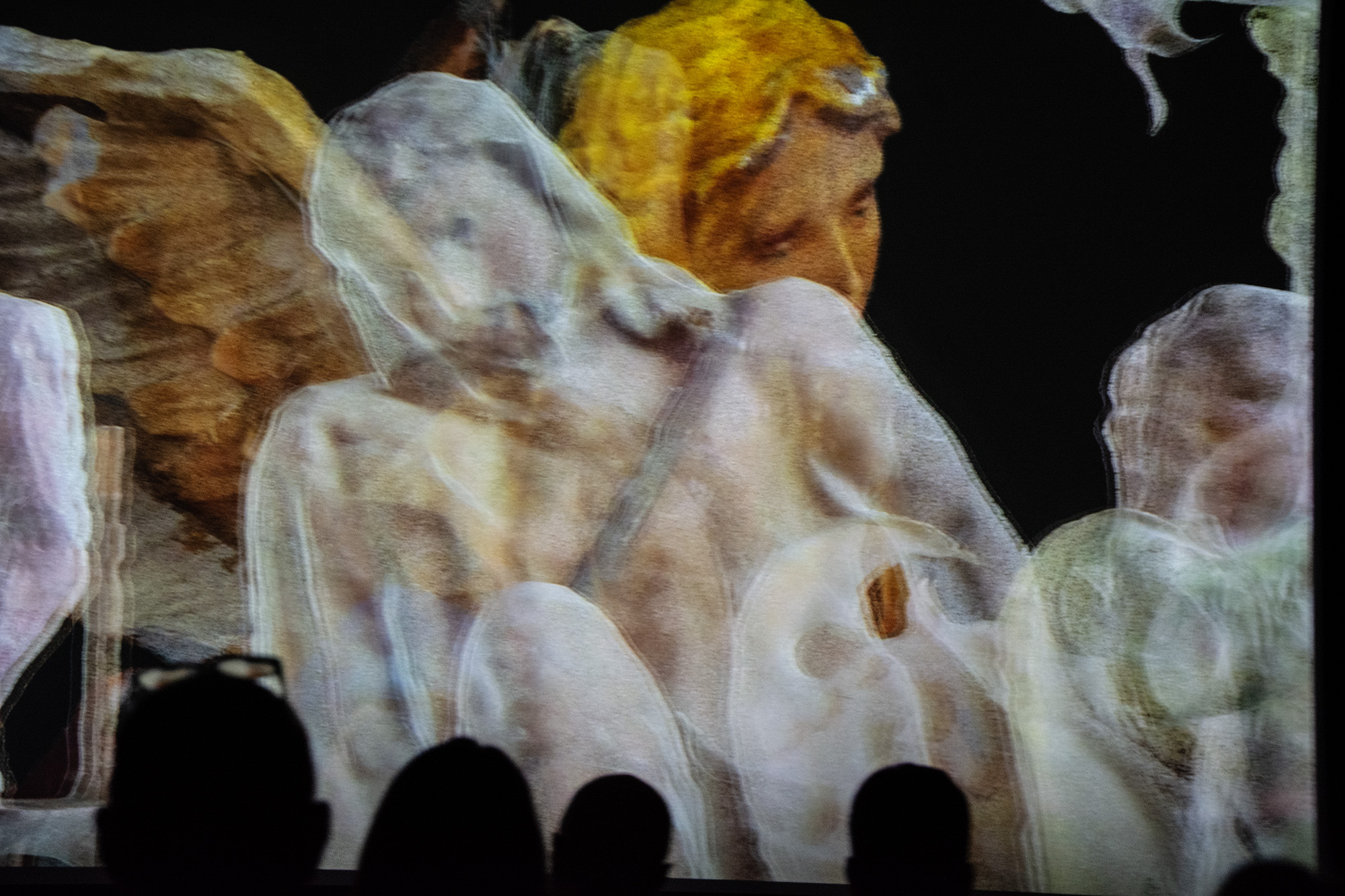
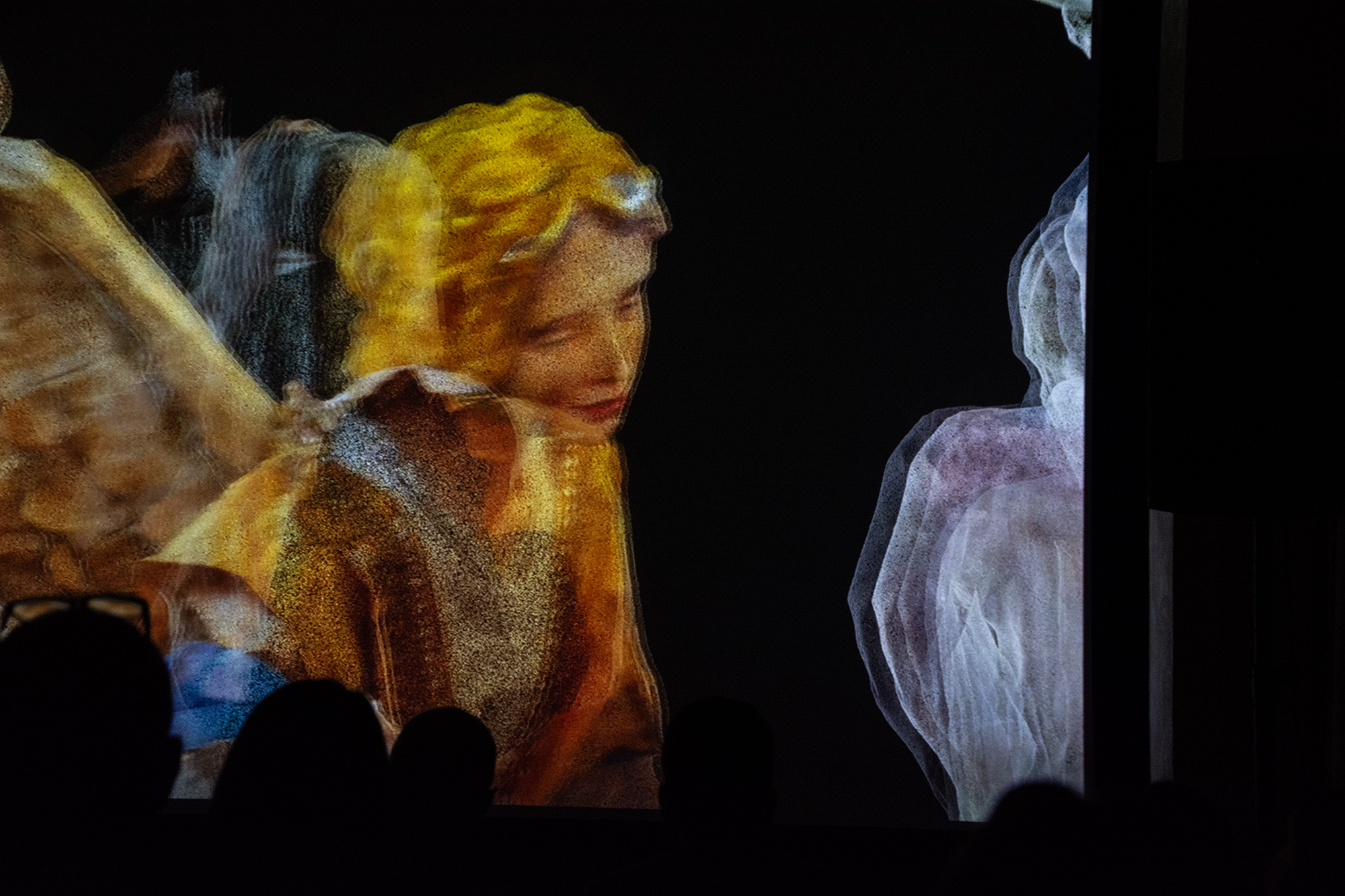
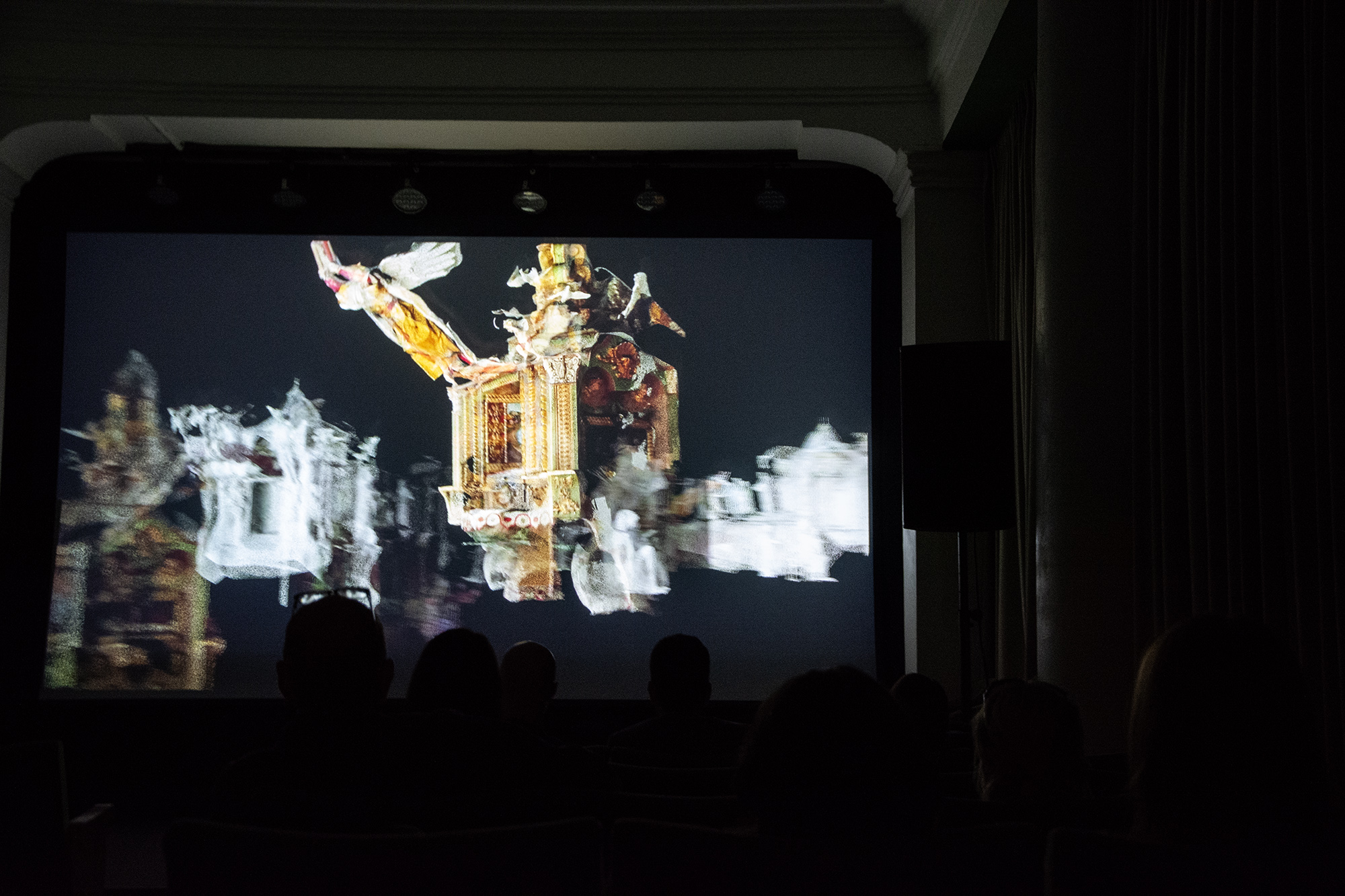
The result of all this is a film in which the artist documents the feast of the Madonna della Bruna through interviews, beautiful footage of the locations, and the use of archival materials. The work is completed by an open call—left open for a year between 2016 and 2017—through which Caterina Erica Shanta collects thousands of images and videos of the festival, created by the very people who participated. These materials are used both as cinematic content and as the basis for the virtual reconstruction—via photogrammetry—of the triumphal float, now vanished at the moment of the strazzo. Those points of light that reflected the starry sky from phone screens become the viewpoints needed to reconstruct the lost float, returning it to our vision—not in the physical reality of the square, but in the limbo of the virtual world. It becomes a parallel reality where what the ritual destroyed is brought back to life by the ritual itself.
Stefano Romano
[1] From the film “The Starry Night” by Caterina Erica Shanta.
[2] Paolo Tarini, Filosofie del Tempo, Mimesis 2012, p. 119
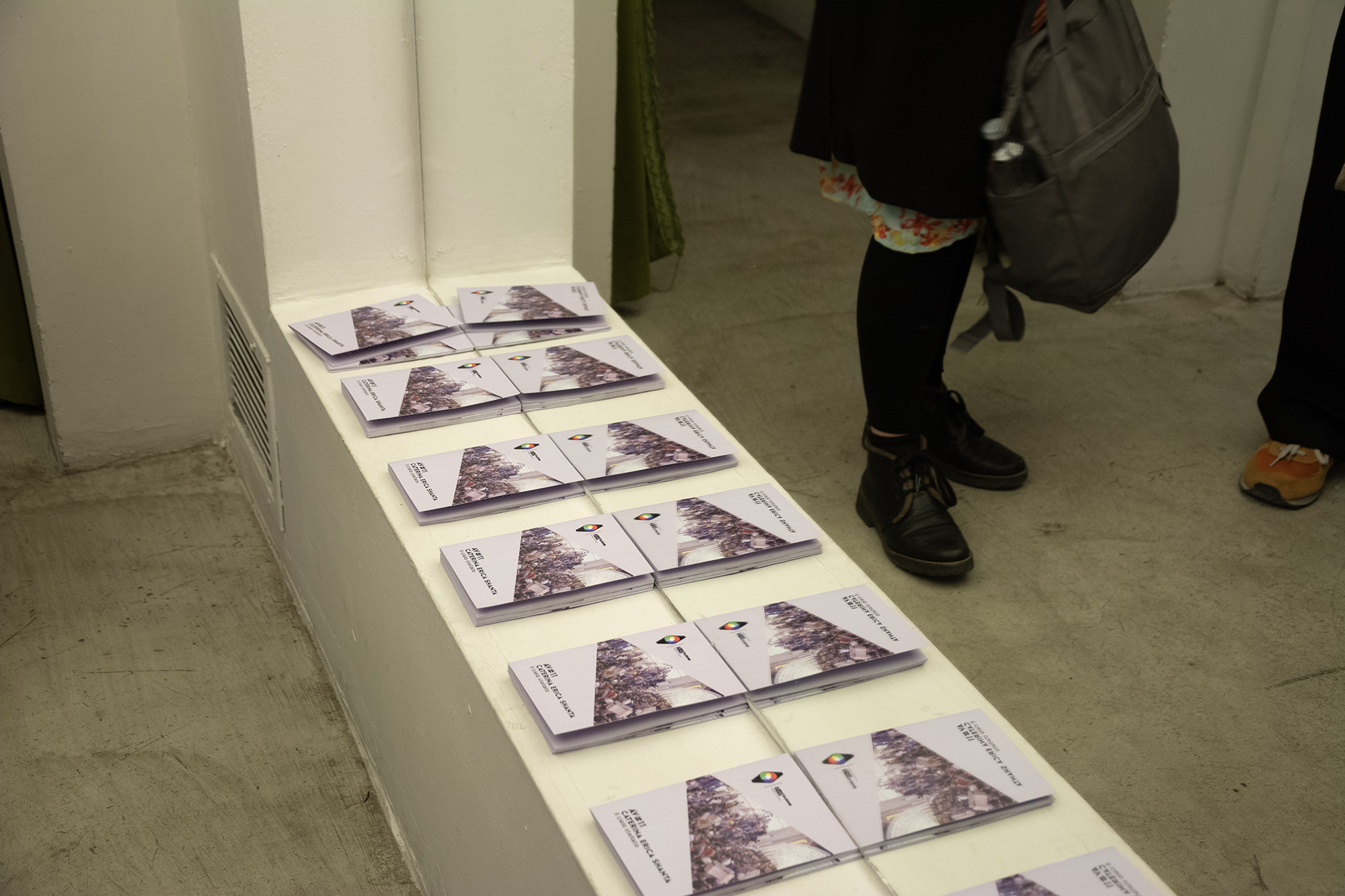
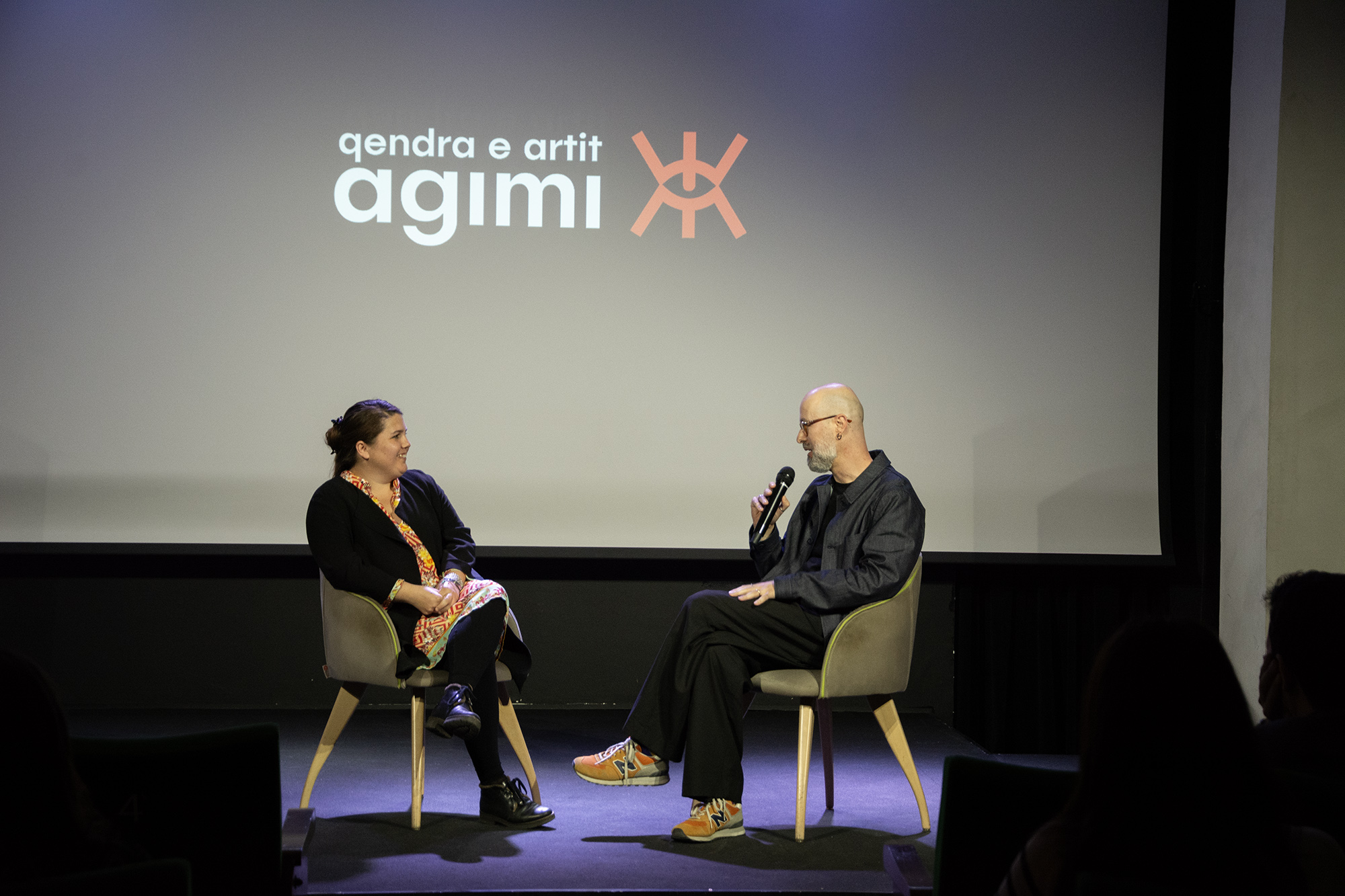
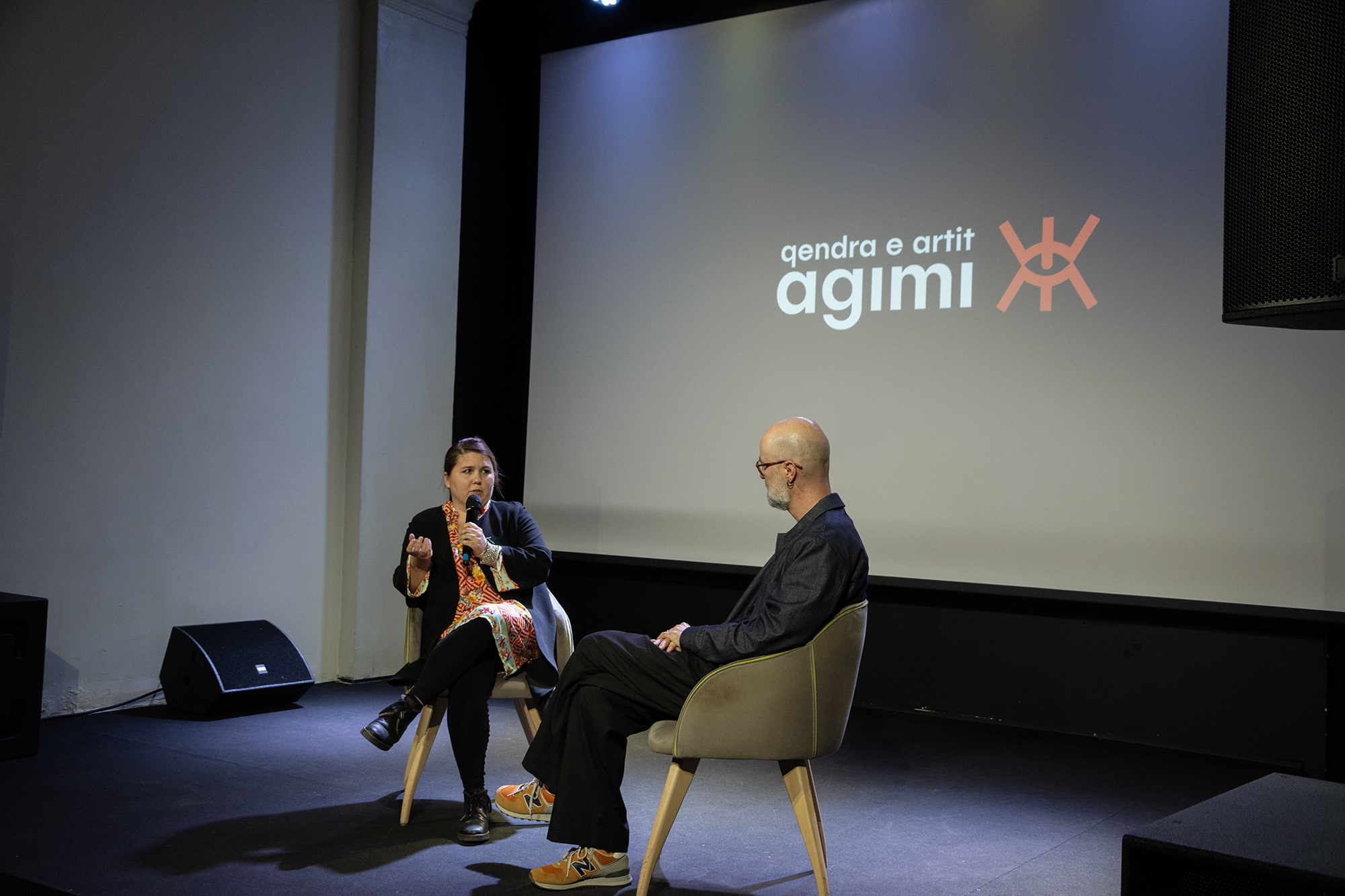
Photo documentation of the event: Amarda Rrapo