Repeatable, Performable
When artists began to use their own bodies as the space in which to create art, they shifted the viewer’s attention from an object — be it a painting, a sculpture, an installation, and so on — to a subject, thus transforming the body into a liminal zone between thought and an “aesthetic” object.
No artistic object is inherently neutral; the moment it is utilized within an artwork, it becomes a metaphor and acquires a political dimension (in that it engages an individual’s social sphere). The body, however, adds additional layers of complexity. Even when, in the moment of performance, it becomes “other,” assumes the status of concept or expressive medium, it still remains a subject: flesh, blood, emotion—and our approach as spectators inevitably shifts, since empathy with the performer comes into play.
Just like any other artistic “object”, exposing our body still follows a methodology. First, as Derrida emphasizes, the power of performance derives from its iteration and repetitiveness, which transform any gesture into ritual. Judith Butler even likens the repetition of a gesture to what she calls a “ritualized production” (Butler 2011, 60). Secondly, precisely because the gesture is reiterated, performance contains within it the theatricality of the act itself, hovering on the fragile boundary between staging, that is, display, and real life unfolding before our eyes.
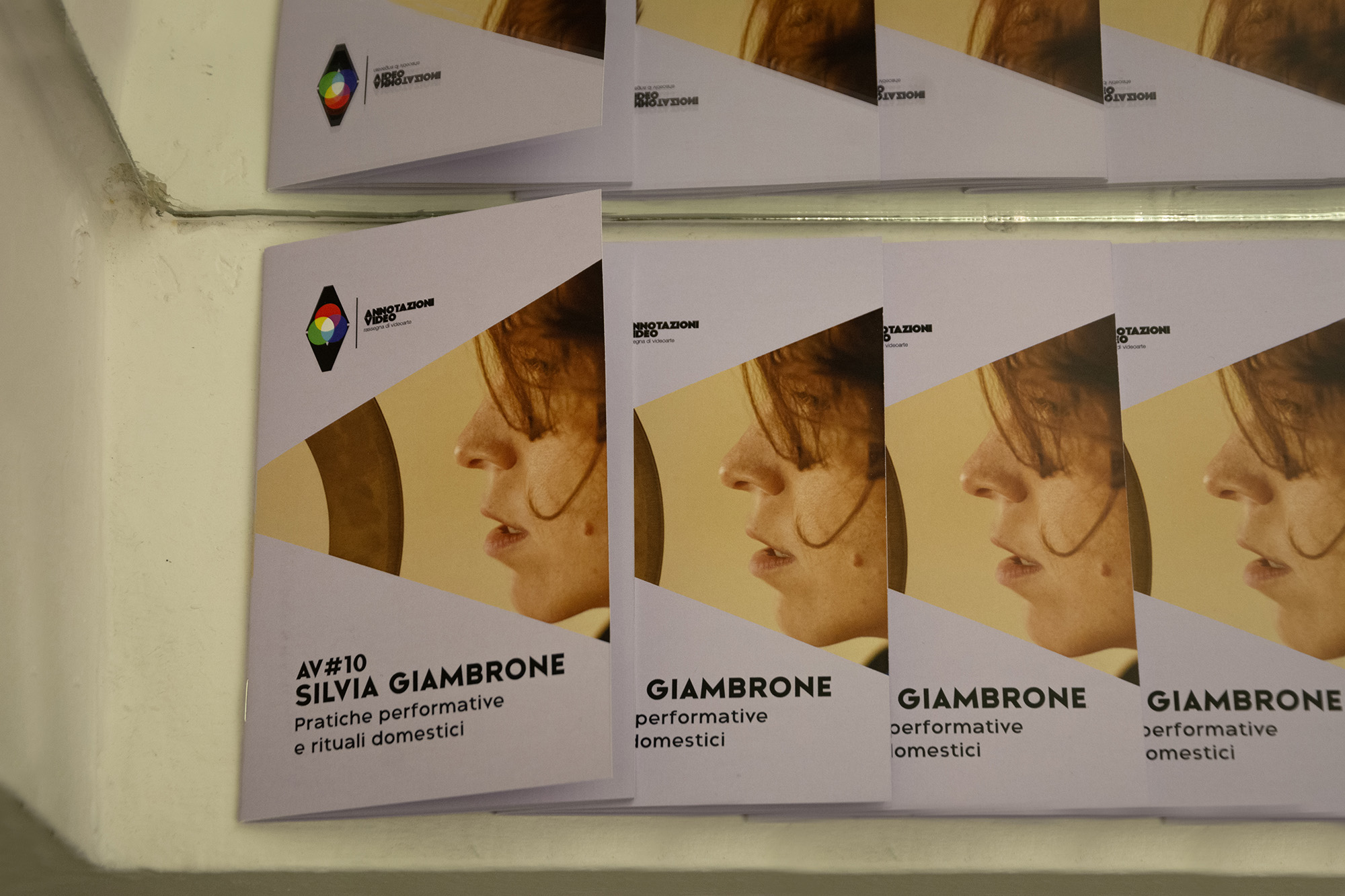
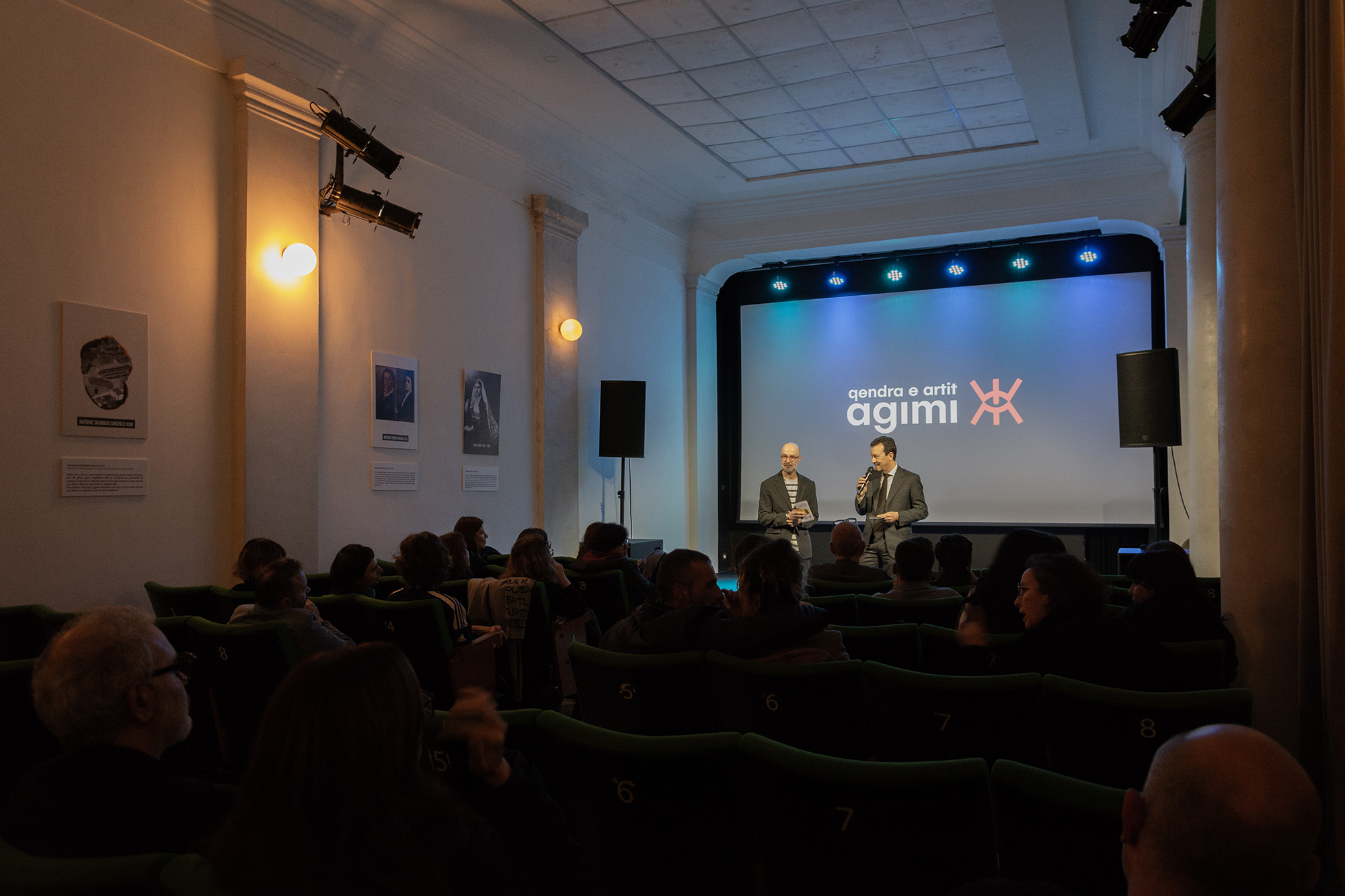
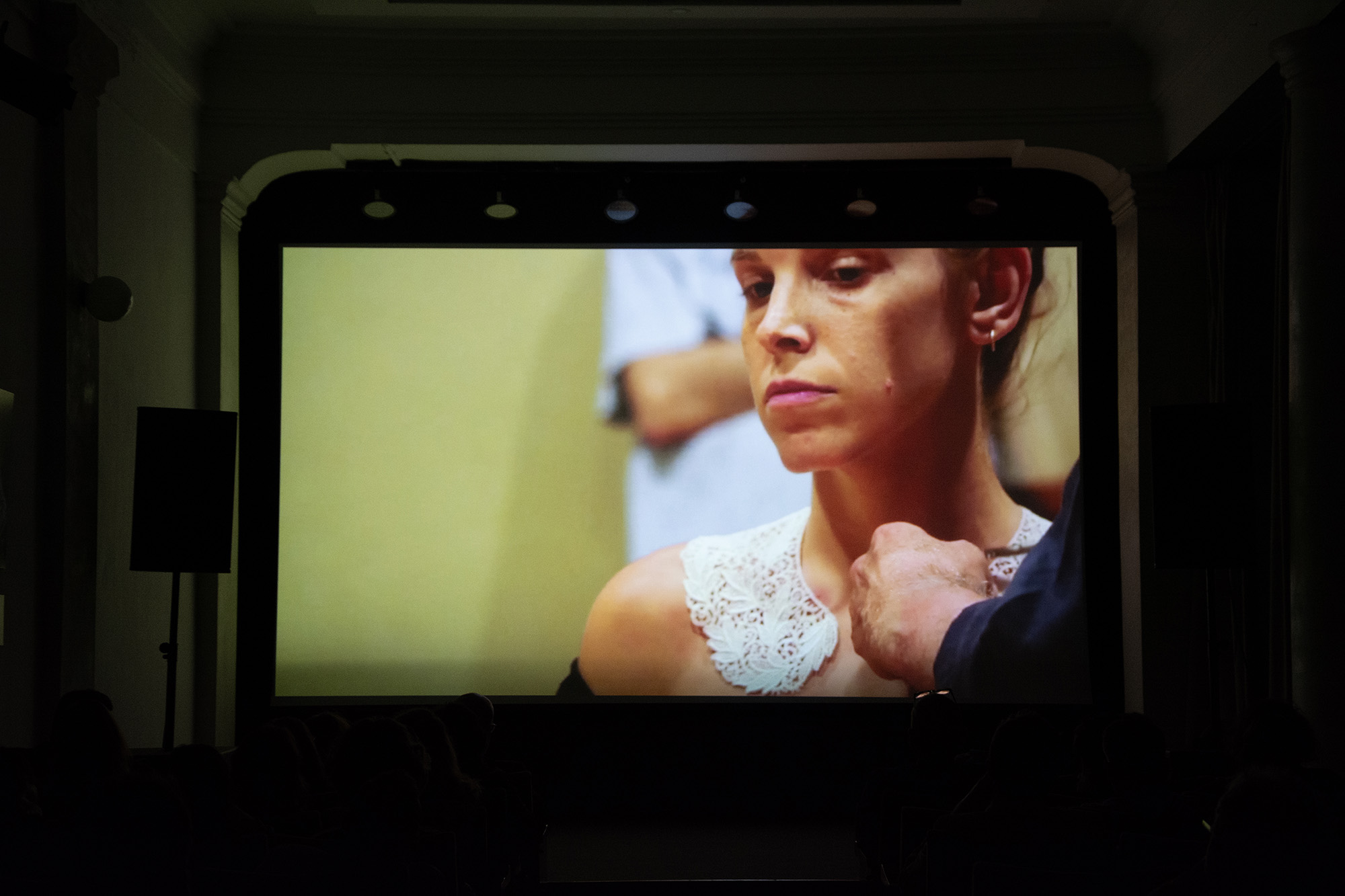
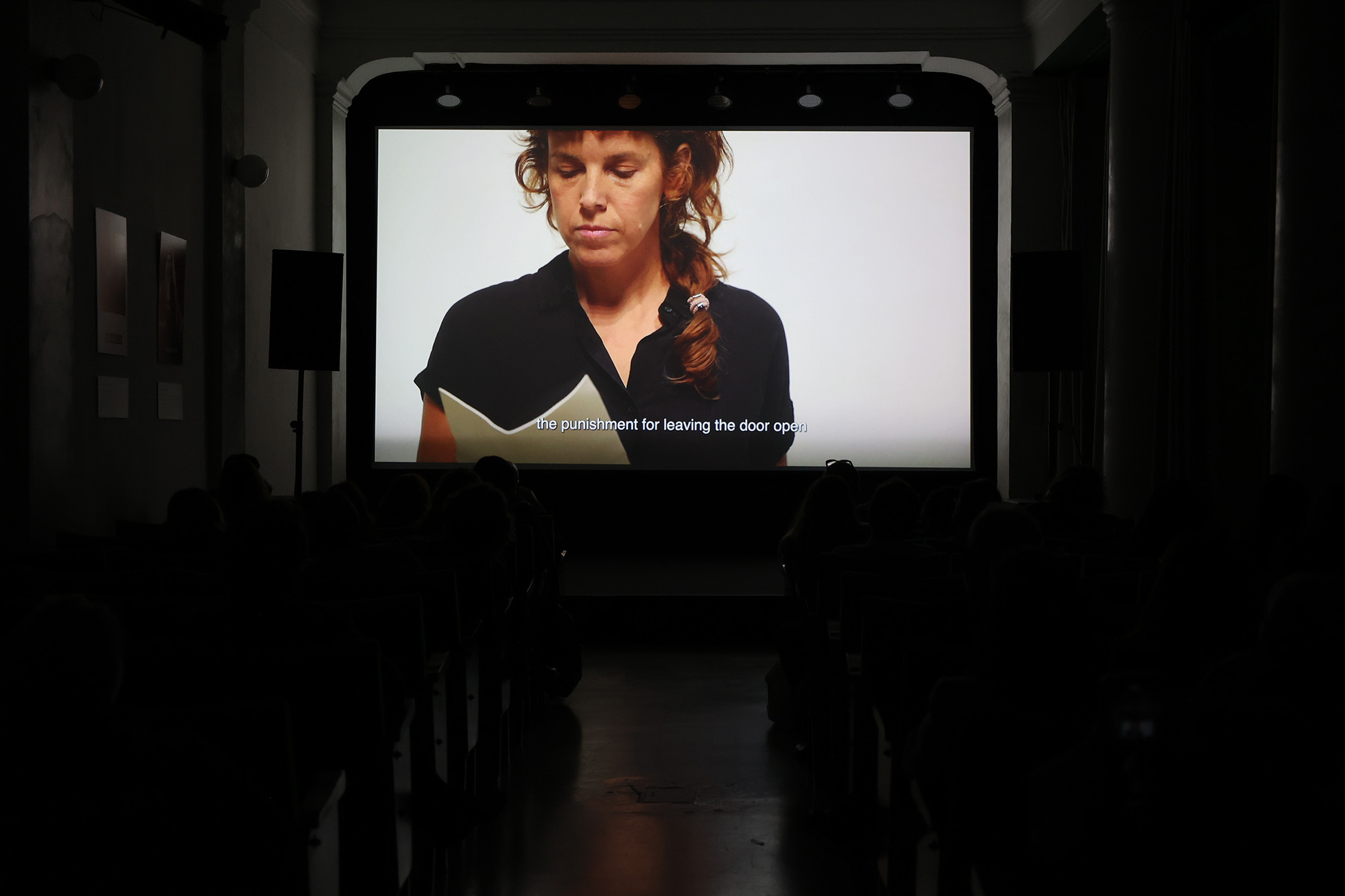
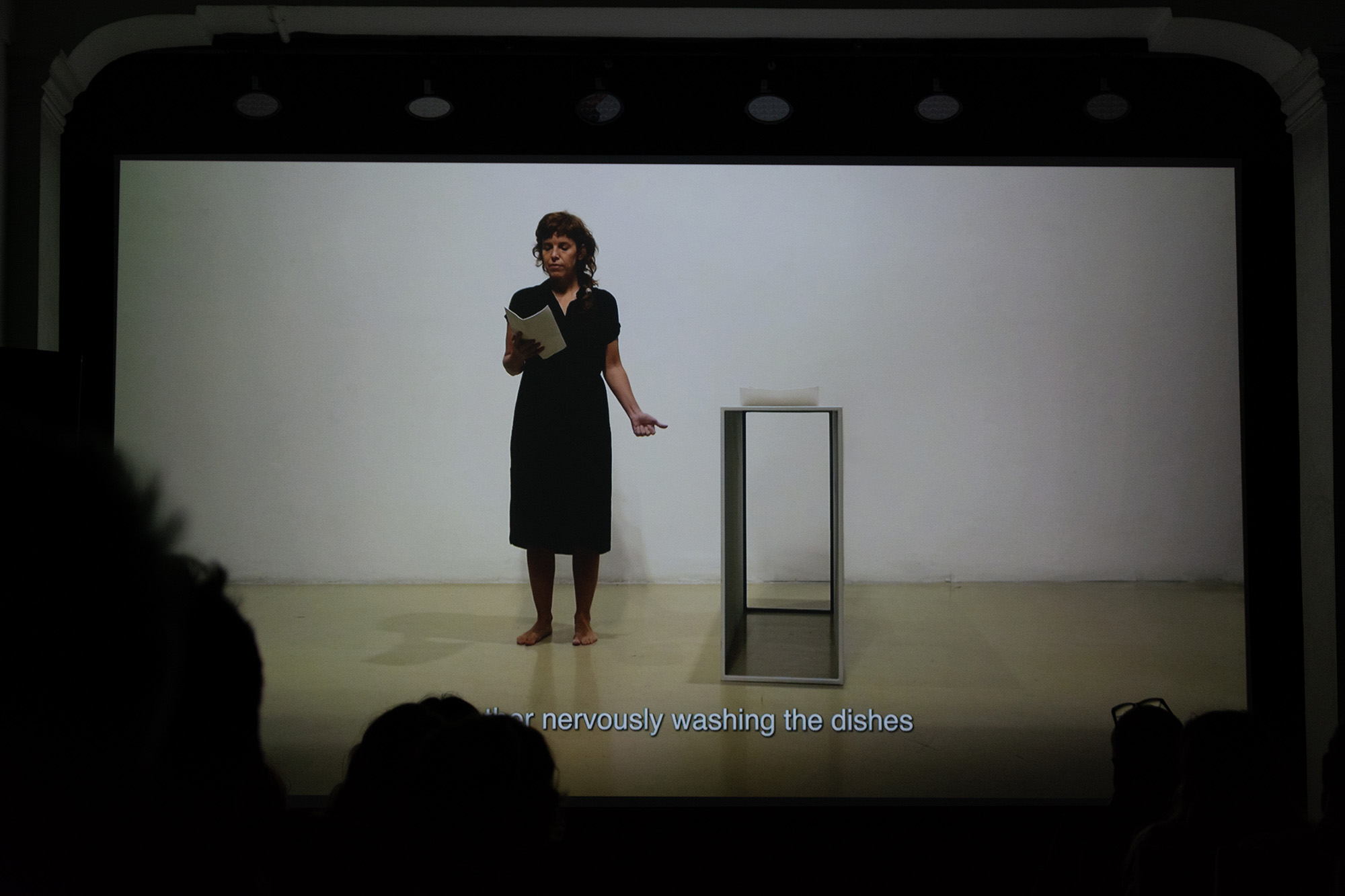
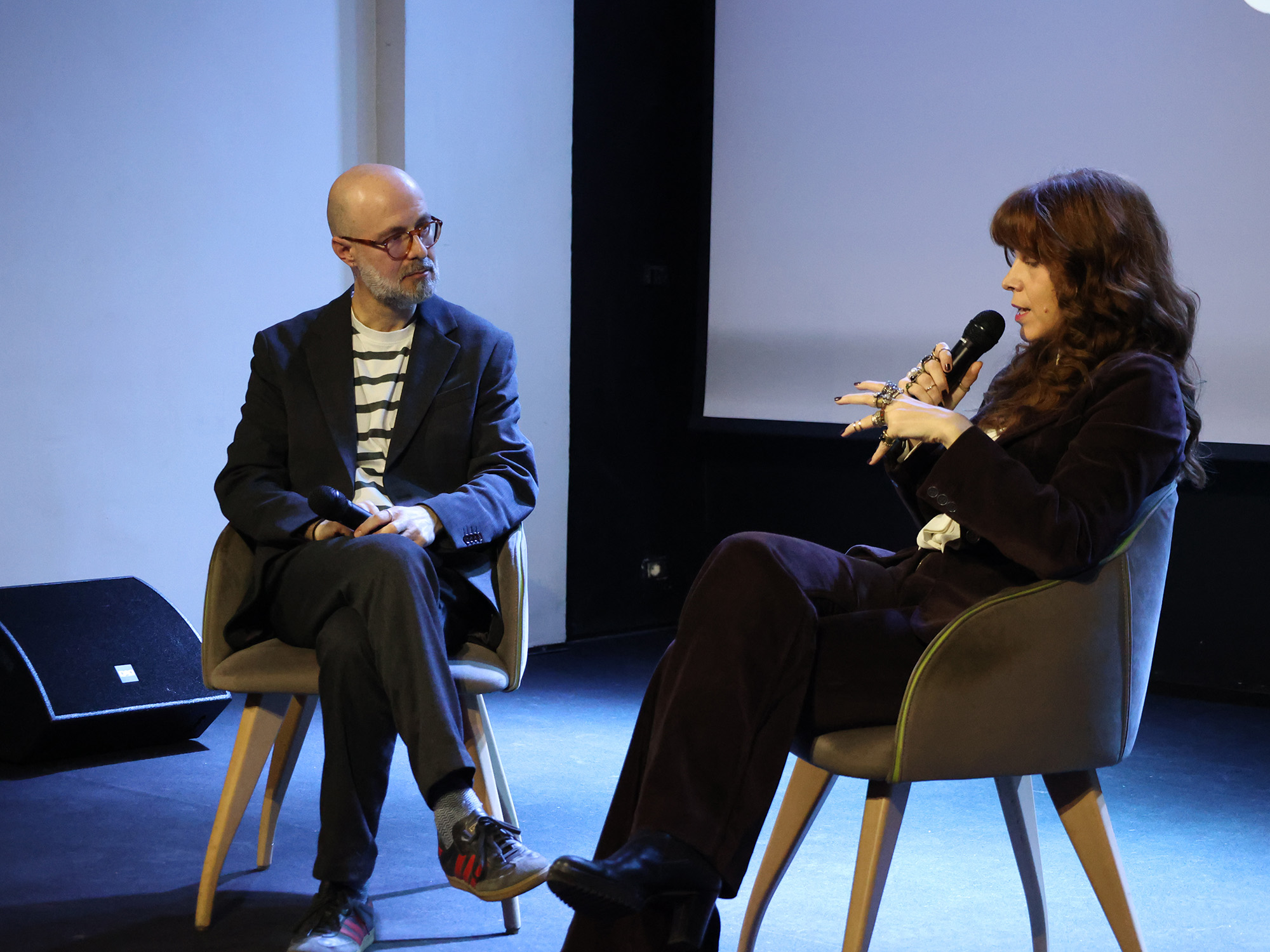
For Performative Practices and Domestic Rituals, Silvia Giambrone will present a selection of four performances re‑staged through the video medium, which becomes both “artwork” and documentation of the performative act.
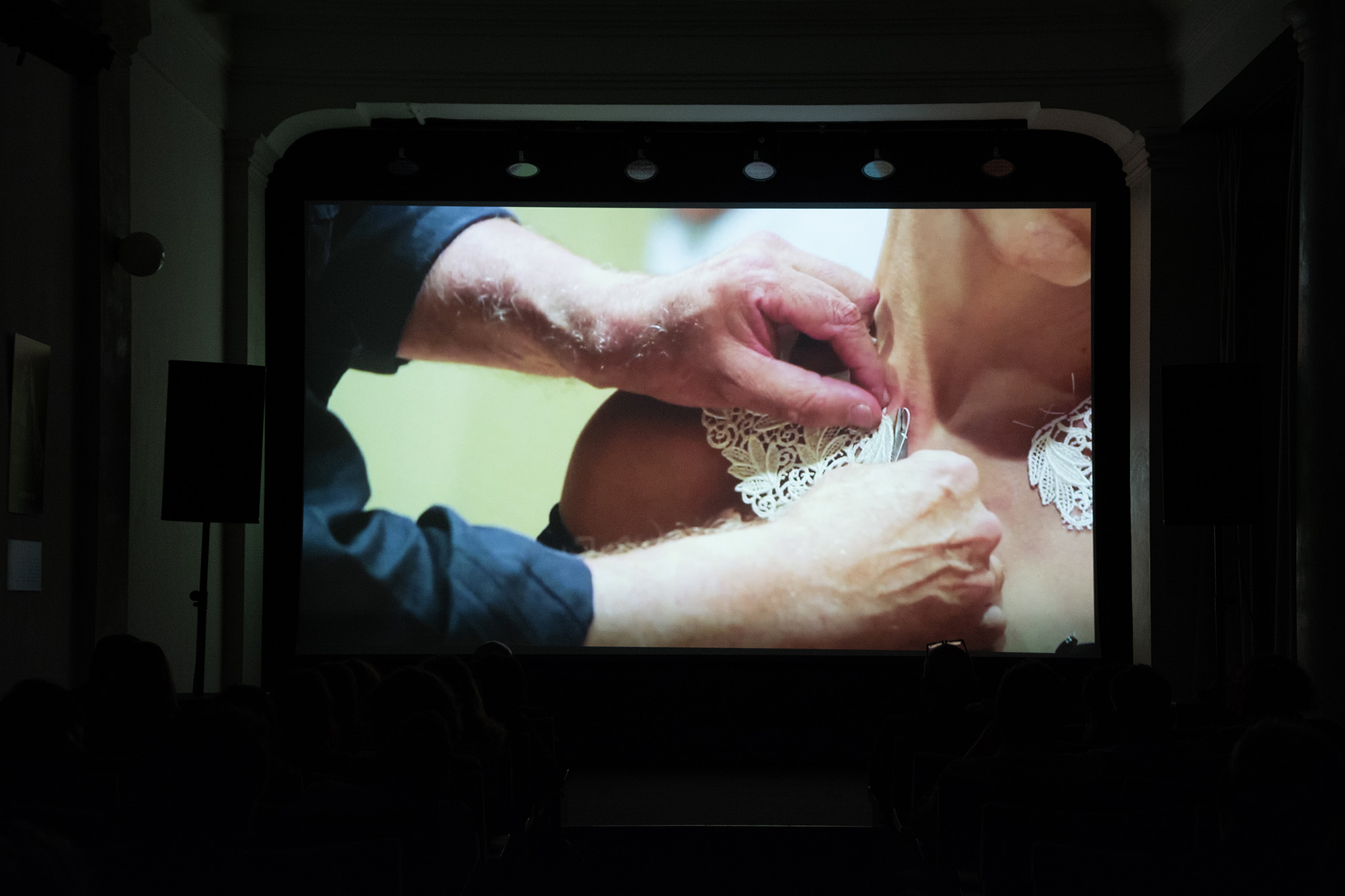
Teatro anatomico (2012) investigates, as part of a broader research project, the practice of embroidery, historically categorized among the so‑called “women’s arts.” The violent act we witness in the performance visualizes the social role prescribed to women, namely, to embroider objects that exalt their own beauty, and simultaneously defines a precise, culturally constructed gender role.
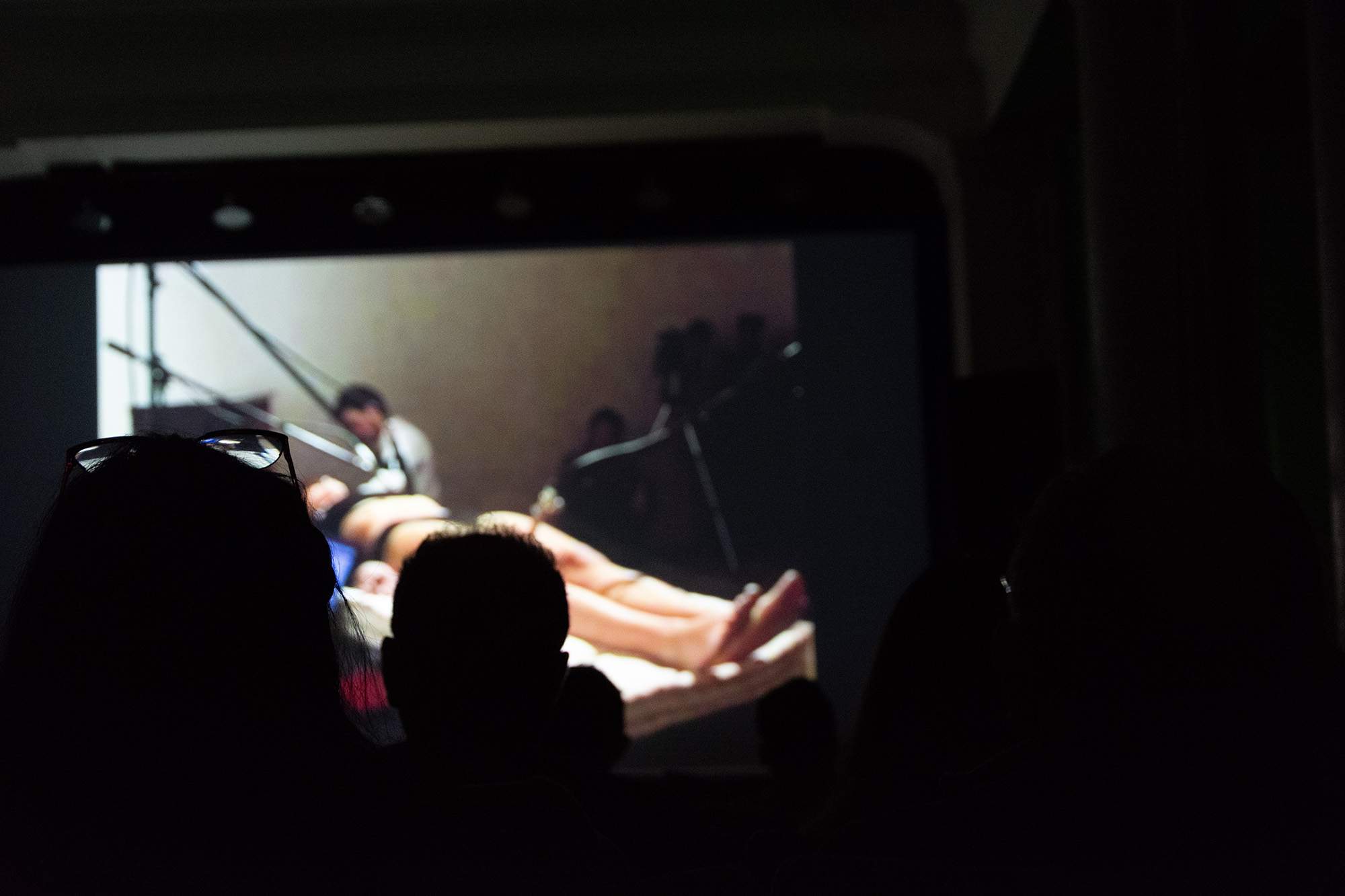
Viola e un poco nervosamente (2010) was realized in collaboration with the musicians of the JFutura Orchestra of Trento. The artist asked them to use her body as a musical instrument, taking her heartbeat as the starting “beat.” Silvia’s body thus shifts from being a sexualized body — one that is difficult to approach without the risk of undermining social rules concerning which parts of a body are socially acceptable to touch — to being an object: specifically, a musical instrument that produces different sounds depending on where and how it is touched. This demonstrates how the body’s function and the expectations placed upon it can change according to the social context in which it is located.
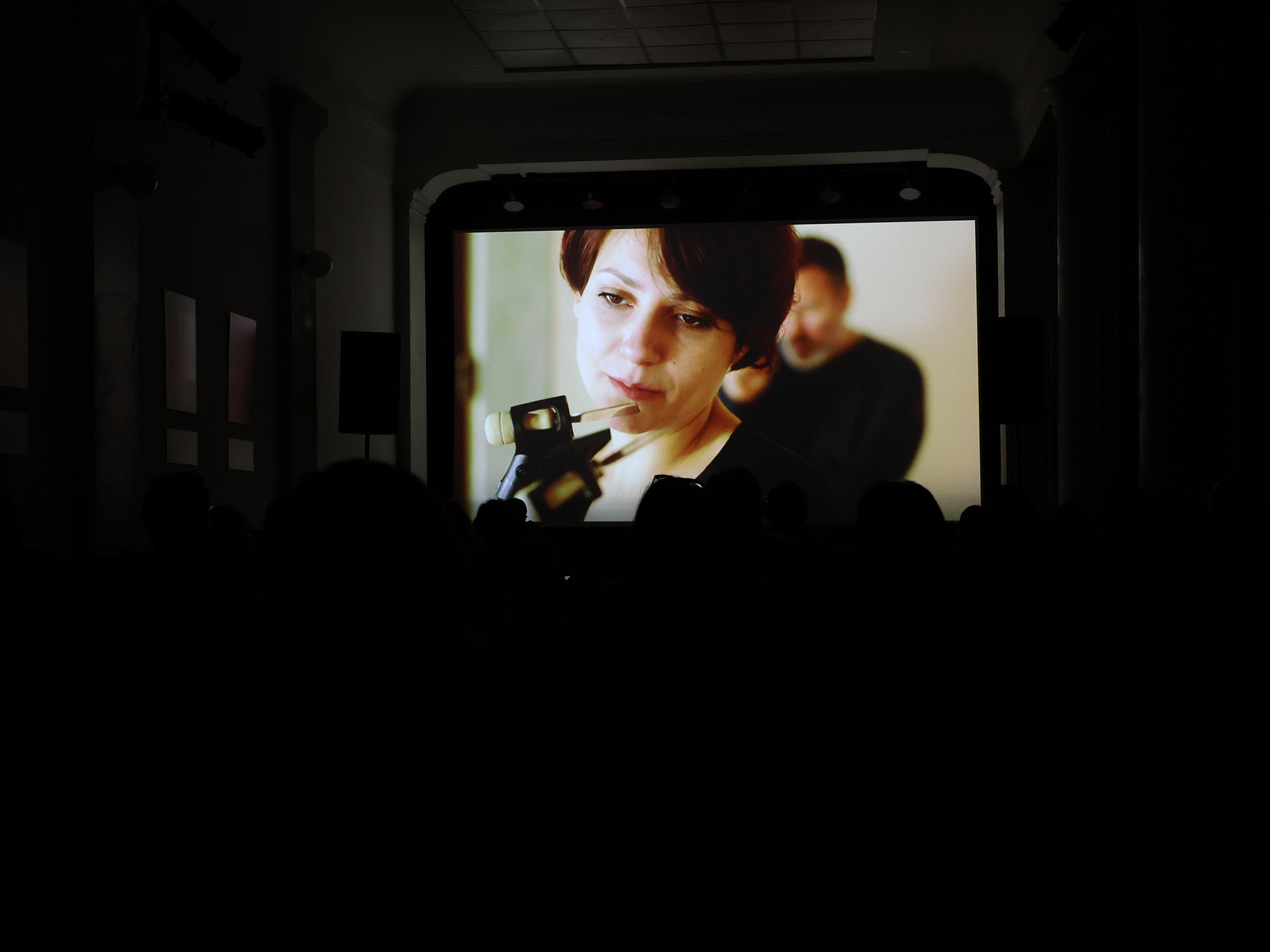
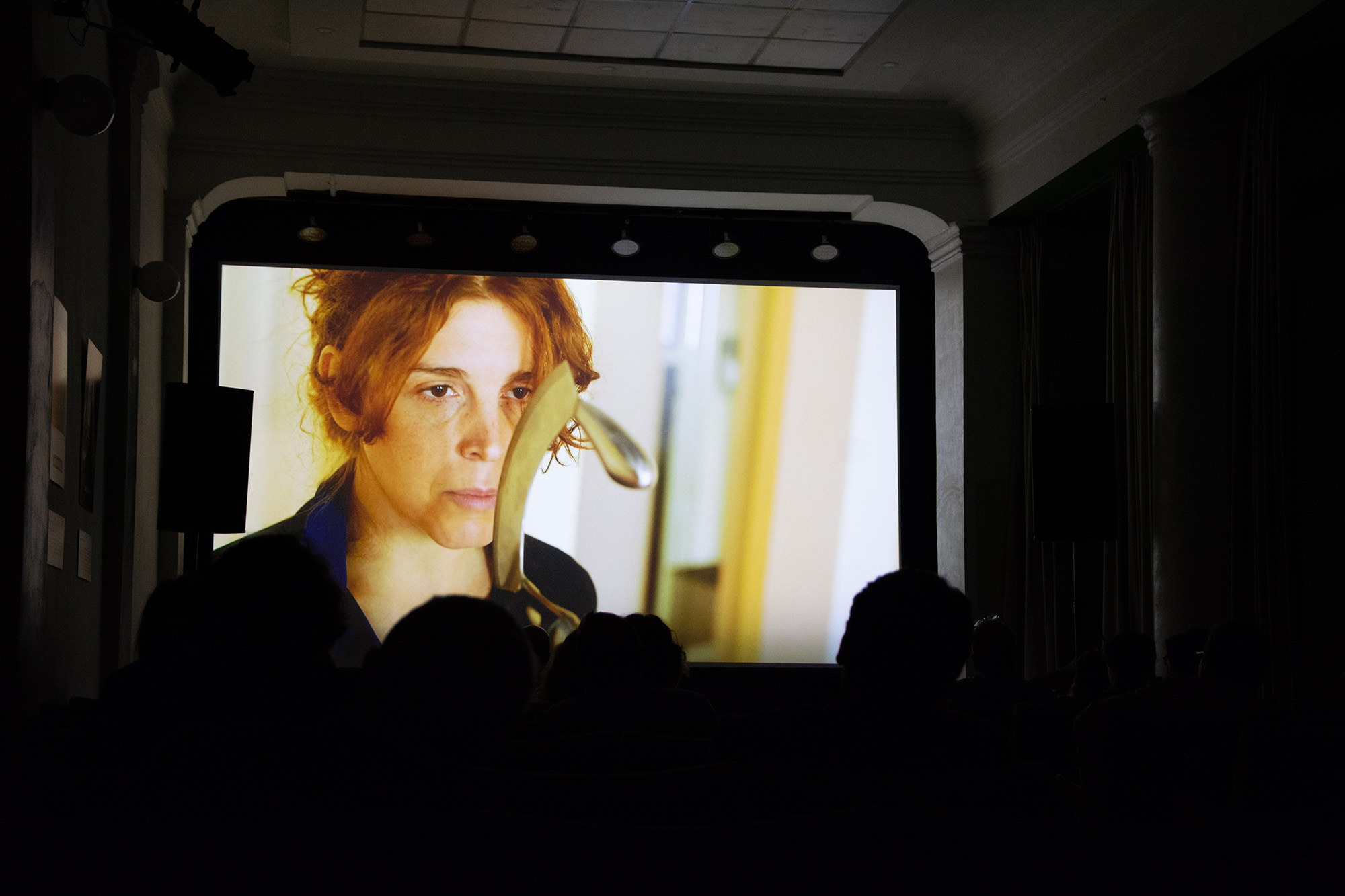
Nobody’s room (2015) is a performance realized using the eponymous sculpture, composed of kitchen utensils mounted on microphone stands. It is based on a quasi‑theatrical interpretation of a text by Bosnian poet and playwright Nedžad Maksumić, “Road Directions Scattered on the Ground,” written during the fratricidal war that tore apart the former Yugoslavia. The artist adapts the text into seventeen survival points for navigating domestic life, drawing a parallel between “war” to arriving at the affirmation of one’s own existence.
Traum (2021) similarly probes the relationship with intimate domestic space, but in a more introspective dimension. The artist stands alone and enumerates, through voice and finger counting, a series of situations: the days remaining until leaving home; the interplay of guilt and personal fulfillment. She leaves the viewer with the fragments of experiences and emotional states that we all too often accept as incontrovertible truths.
One striking difference between the first two videos and the latter two is that in Teatro anatomico and Viola e un poco nervosamente, the artist’s body lies passively, subjected to actions performed upon it; whereas in Nobody’s room and Traum, the artist’s body is active, performing the action itself. It is as if the artist wants to highlight two perceptual dimensions of our idea of the body — passive and active.
In both approaches, what Silvia Giambrone stages is the question of the domestic, those dynamics so deeply ingrained in us that we no longer see them or recognize them as socially constructed conventions, largely dictated by men toward women.
Silvia Giambrone’s research seeks precisely to break down these commonplaces in order to create a space for thought and to instill within us the doubt that the actions we repeat every day in the intimacy of our domestic walls are nothing but social constructions; the actions we repeat every day in the intimacy of our domestic walls are nothing but social constructions.
Stefano Romano
Photo documentation of the event: Amarda Rrapo and Adrian Guri